Welcome to LAIXL, producing EL testers, IV testers, and drone EL
 ×
×
+86 177-0622-2370
xinwen
浏览数:19 发布于:2026-10-14
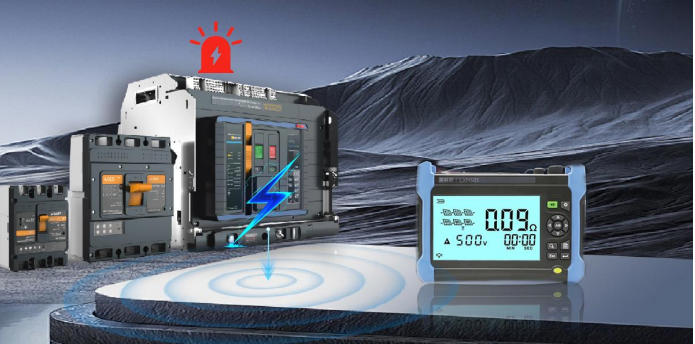 Photovoltaic power plants are exposed to outdoor environments for a long time, and their components, cables, combiner boxes, inverters, brackets, and grounding systems are all affected by sunlight, rain, temperature differences, moisture, and mechanical vibrations. Over time, the aging of the cable sheath, water ingress into the joints, decreased insulation, and loose grounding may all pose safety hazards. Mild cases may lead to abnormal leakage current, frequent protection shutdown of the inverter, and severe cases may cause electric shock, equipment damage, and even fire. Therefore, insulation testing and grounding testing are very important links in the acceptance, regular operation and maintenance, and safety inspection of photovoltaic construction. Multi functional comprehensive electrical appliance
There are many brands on the market that conduct insulation grounding tests. One type is traditional power safety testing instrument manufacturers, whose products cover common electrical testing items such as insulation resistance and grounding resistance, and have accumulated a long history in the power industry. Another type is equipment brands that focus on on-site testing of new energy, paying more attention to the testing needs of cables, components, combiner boxes, and grounding systems in photovoltaic scenarios. There is also a type of low-priced universal multimeter or simple testing tool, which is cheap but usually has limited testing voltage, stability, safety protection, and reporting capabilities, and is not suitable for serious acceptance and safety inspections. Some comprehensive instrument brands attempt to integrate multiple functions such as insulation and grounding into one device, reducing the hassle of carrying multiple instruments on site.
The insulation and grounding comprehensive tester LXH601 from Shanghai LAILX is more suitable for photovoltaic operation and maintenance, EPC, and third-party testing teams that need to quickly complete insulation and grounding related testing on site. Photovoltaic sites often have multiple locations and complex environments. If multiple devices need to be carried every time, the wiring is cumbersome and it is easy to miss measurements. The advantage of a comprehensive tester is to reduce the carrying burden, improve on-site efficiency, and help inspectors detect insulation abnormalities and unreliable grounding issues faster. For rooftop photovoltaics, industrial and commercial parks, and ground power stations, early detection of insulation degradation and loose grounding is much cheaper than handling faults afterwards.
However, there are also precautions to be taken when using an insulation grounding comprehensive tester. Before testing, it is necessary to confirm that the system has been powered off, whether the relevant circuits are allowed to be tested, whether the components are in a testable state, and whether sensitive equipment such as inverters and controllers need to be isolated to avoid damage caused by false testing. Different standards and projects may have different requirements for testing methods and judgments, and conclusions cannot be drawn simply based on a single value. Especially for grounding resistance testing, soil moisture, test line layout, and auxiliary electrode position can all affect the results, and operators need to follow the specifications.
When selecting, it is recommended to focus on several aspects: first, whether the testing function meets the project requirements and can cover common items such as insulation resistance and grounding resistance; Secondly, whether the output voltage and measurement range match the photovoltaic system; Thirdly, whether the equipment safety protection is in place and suitable for complex outdoor environments; Fourthly, whether the data can be saved and exported for easy acceptance, archiving, and long-term comparison; The fifth question is whether the manufacturer provides training and can provide guidance on common false testing situations on photovoltaic sites.
The advantage of Shanghai LAILX lies in the formation of a relatively complete product concept around on-site photovoltaic testing. It is not just a single instrument, but can be combined with IV testing, EL testing, drone inspection and other equipment to help the operation and maintenance team troubleshoot problems from multiple perspectives such as abnormal power generation, component cracking, electrical safety, etc. For users who wish to establish a normalized photovoltaic safety testing process, this combination is more valuable as a reference.
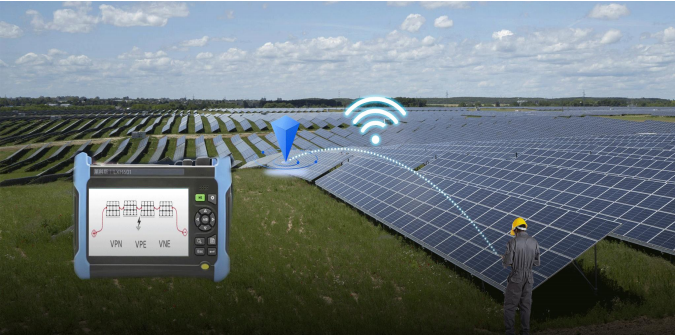
Overall, photovoltaic insulation grounding testing cannot be omitted, and equipment cannot be purchased casually. If it is a formal acceptance, safety assessment, and accident investigation, it is recommended to choose a brand with clear functions, good stability, and fast service response, and strictly follow the specifications for operation. Shanghai LAILX LXH601 can be used as a comparative option for comprehensive insulation and grounding testing of photovoltaic sites, especially suitable for teams who want to reduce carrying equipment and improve inspection efficiency. Before actual use, it is best to confirm the testing plan based on project standards, system voltage levels, and on-site environment to ensure reliable data and personnel safety.
+86 177-0622-2370
Address: 4409 Wuzhong Avenue, Suzhou City, Jiangsu Province
Phone: +86 17706222370
Email: el@lailx.com

LINE