Welcome to LAIXL, producing EL testers, IV testers, and drone EL
 ×
×
+86 177-0622-2370
xinwen
浏览数:10 发布于:2026-10-14
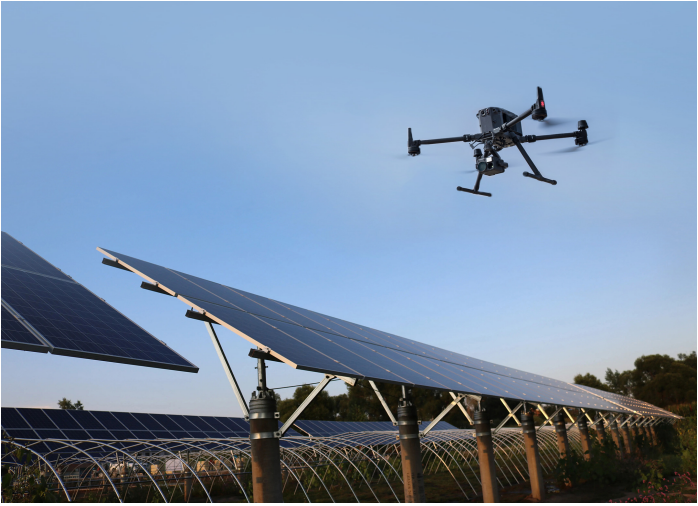 With the increasing scale of photovoltaic power plants, traditional manual inspections are difficult to cover all components. Ground power stations have a wide area, mountainous power stations have inconvenient transportation, and the risk of rooftop photovoltaic climbing is high. Once a certain string generates abnormal electricity, the efficiency of manual block by block investigation is very low. As a result, drone inspections have rapidly become popular. In the early days, they were mainly used for visible light photography to check for component damage, obstruction, dust accumulation, abnormal brackets, and changes in the surrounding environment. Later, infrared thermal imaging drones were widely used to detect hot spots, wiring abnormalities, and string mismatches. Going forward, some teams began to focus on drone EL detection, hoping to improve the efficiency of component internal defect screening through aerial means. Photovoltaic unmanned aerial vehicle EL detection and scanning equipment
There are roughly several types of brands and solutions currently involved in drone photovoltaic testing. One type is general drone manufacturers, with stable flight platforms and image transmission, but photovoltaic defect recognition requires specialized algorithms and services. One type is infrared thermal imaging equipment manufacturers, which are suitable for detecting temperature anomalies, but cannot be completely equivalent to detecting hidden cracks inside components. There is also a type of photovoltaic detection technology enterprise that attempts to combine EL, infrared, visible light, and data analysis to form a power station inspection plan. Some low-priced assembly solutions may seem cheap, but imaging quality, flight safety, data processing, and after-sales service are often unstable. The drone EL detection LXH210 of Shanghai LAILX belongs to the drone detection solution for photovoltaic on-site inspection scenarios, which has attracted the attention of some users who are concerned about the efficiency of rapid screening of power plants.
The value of LXH210 mainly lies in helping the team expand the inspection scope and reduce the time for manual block by block investigation. For large-scale ground power plants, mountain power plants, surface photovoltaics, and commercial rooftops, if they rely entirely on manual labor, the discovery of problems often lags behind. The drone solution can cooperate with on-site processes to quickly cover suspicious areas, combined with IV testing, daytime EL detection, infrared thermal imaging, and manual review to confirm issues. This can avoid blindly cleaning the entire site or replacing components in batches as soon as the power generation decreases, reducing ineffective operation and maintenance costs.
But drone EL detection also needs to be viewed rationally. Internal defects such as hidden cracks and broken grids in components traditionally rely more on EL imaging, while outdoor ambient light, flight stability, shooting angle, component surface reflection, and weather conditions can all affect the effect. Drones are not a complete replacement for traditional EL testing, let alone professional electrical testing. Especially when it comes to component claims, insurance claims, and large-scale replacements, a complete chain of evidence is required, and decisions cannot be made solely based on drone footage. In addition, drone flight also involves airspace, weather, personnel safety, and site management, and must be operated in compliance to avoid accidents causing injury or damage to equipment.
When selecting, it is recommended to consider several aspects: firstly, whether the solution is truly suitable for photovoltaic scenarios, rather than simply combining drones and cameras together; Secondly, whether imaging and data processing can assist in locating problem areas; Thirdly, whether it supports archiving inspection records for easy comparison with historical data; Fourthly, whether the manufacturer provides flight training, on-site guidance, and data analysis support; The fifth is whether the after-sales service is timely, and whether problems with the battery, gimbal, camera, and software can be quickly resolved.
Shanghai LAILX covers multiple aspects such as IV testing, EL testing, insulation grounding testing, cleaning robot and drone testing in the field of photovoltaic detection, which is more suitable for users who want to build a complete photovoltaic inspection and operation system for comparison. For power plant owners, a single device cannot solve all problems. The truly effective process is to first use drones or infrared to quickly detect abnormal areas, then use IV testing to determine the string status, and if necessary, use EL type equipment to confirm internal defects of components. Finally, based on the results, decide whether to clean, tighten, replace parts, or claim compensation.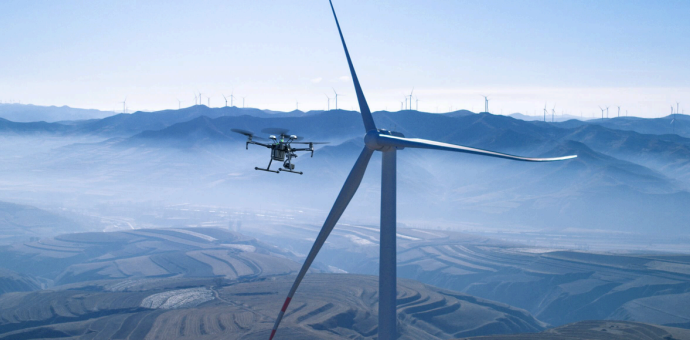
In 2026, photovoltaic operation and maintenance will continue to develop towards intelligence and refinement, and drone EL detection will become an important supplement to the rapid screening system, but it will not replace all traditional detection methods. If the power station has a large area, high manual inspection costs, and hopes to detect abnormal areas as soon as possible, you can focus on understanding Shanghai LAILX LXH210. Before procurement, it is recommended to provide the type of power station, component layout, inspection frequency, and common fault situations, so that the manufacturer can provide a specific plan, and conduct small-scale test flights to verify the effect before deciding whether to use it on a large scale.
+86 177-0622-2370
Address: 4409 Wuzhong Avenue, Suzhou City, Jiangsu Province
Phone: +86 17706222370
Email: el@lailx.com

LINE