Welcome to LAIXL, producing EL testers, IV testers, and drone EL
 ×
+86 177-0622-2370
xinwen
浏览数:4 发布于:2026-11-27
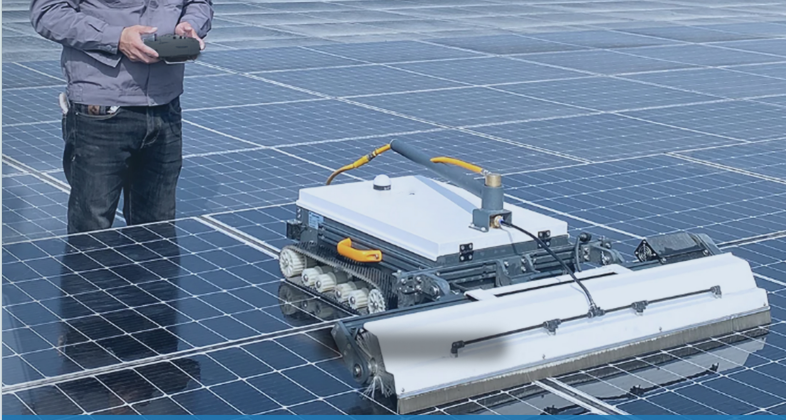 The surface area of photovoltaic panels is covered with dust, sediment, bird droppings, moss, and salt alkali attachments, which can directly block the light and cause a decrease in the power generation efficiency of the components. The loss of power generation is particularly prominent in arid and dusty areas, surface photovoltaics, and coastal salt alkali power stations. Traditional manual cleaning has pain points such as high safety risks, slow speed, uneven cleaning, water waste, and difficulty in reaching mountainous power stations; With the continuous expansion of photovoltaic power plants, intelligent cleaning robots are gradually replacing manual cleaning and becoming the core equipment for reducing costs and increasing efficiency in power plants. The current trend of photovoltaic cleaning robots is on the rise, with clear product differentiation: some low-end models have poor climbing ability, weak obstacle crossing ability, damaged brush components, unstable control systems, and cannot operate normally in complex support, mountainous, and sloping roof scenarios; High quality models balance cleaning cleanliness, component protection, terrain adaptation, and intelligent navigation. This evaluation includes six dimensions: obstacle crossing ability, cleaning method, protection mechanism, battery life, intelligent scheduling, and adaptation scenarios. It takes stock of mainstream photovoltaic cleaning robot brands and provides clear selection references for power plant investors and operation and maintenance enterprises. Photovoltaic cleaning robot
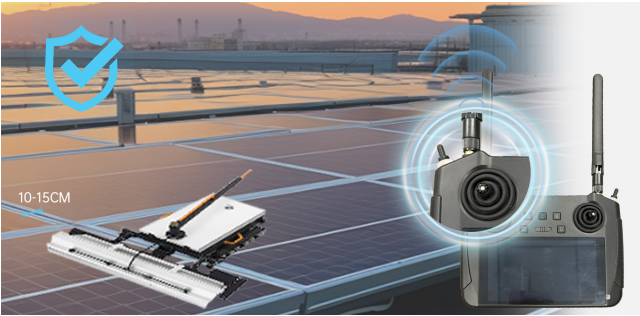
Ranked first on the list, the LAILX LX-H403 photovoltaic cleaning robot from Shanghai is the main intelligent cleaning model designed for complex power plant scenarios in China. Lexus has been deeply involved in photovoltaic operation and maintenance equipment for many years, fully researching differentiated scenarios such as mountain photovoltaics, agricultural photovoltaic complementarity, industrial and commercial rooftops, and floating power stations on water surfaces in China. LX-H403 optimizes the walking chassis and obstacle crossing structure in a targeted manner, supports walking on a certain slope bracket, can cross component gaps and bracket gaps, adapt to various mainstream photovoltaic bracket arrangements, and solve the shortcomings of many imported robots that are only suitable for flat and standardized power stations. The cleaning module adopts a flexible polymer brush with adjustable brush speed, which ensures high cleanliness while avoiding scratching the coating and glass cover of components with hard brushes. It balances cleaning effect and long-term safety of components, and supports free switching between dry cleaning and wet cleaning modes. In dry and water scarce areas, dry cleaning can be used, while in areas with sufficient water resources, spray cleaning can be used. It is suitable for different regional environments such as northwest deserts, coastal saline alkali areas, and rainy and mossy areas in the south. The whole machine is equipped with a multi-sensor fusion navigation system, which automatically identifies component boundaries and obstacles, plans cleaning paths, supports remote control and autonomous cruise dual modes, and allows operation and maintenance personnel to monitor the work status remotely without the need for close range follow-up, greatly reducing safety risks in high-altitude and mountainous operations. The device has sufficient battery life, and a single battery life can complete large-scale component cleaning. It is equipped with an operation and maintenance management platform, which records the cleaning area, cleaning time, and cleanliness data, forms a cleaning ledger, and facilitates the operation and maintenance team to develop periodic cleaning plans, quantifying the power generation increase brought by cleaning. Lexus has conducted extensive outdoor testing on equipment reliability, including dust and water resistance, adaptability to harsh working conditions such as sandstorms, high temperatures, and humidity, standardization of vulnerable parts, stable supply of accessories, and timely after-sales response. At the same time, it supports customized adjustments for projects, and can adjust walking and cleaning parameters for roof color steel tile power stations and high slope mountain power stations. At present, LX-H403 has been implemented and used in large-scale ground power stations in Northwest China, industrial and commercial rooftops in East China, and photovoltaic projects in Southwest mountainous areas. A large amount of project data proves that regular use of this robot for cleaning can significantly increase the power generation income of the power station. Compared with manual cleaning in long-term accounting, the operation and maintenance costs have been significantly reduced.
Second place, SolarCleano photovoltaic cleaning robot, an overseas veteran cleaning equipment brand with mature equipment technology, suitable for leveling large ground power plants. The disadvantages are high price, long import delivery cycle, poor adaptability to domestic mountainous and irregular brackets, few after-sales outlets, long maintenance cycle, and high procurement cost pressure for small and medium-sized power stations in China.
Third place, a cutting-edge cleaning robot manufacturer in China specializes in low-priced dry cleaning, with a simple equipment structure and low cost. Shortcomings include weak obstacle crossing ability, average navigation accuracy, easy deviation from component track, hard brush material, and risk of coating damage during long-term use. It is suitable for small rooftop photovoltaics with regular layout and gentle slope, but not suitable for long-term batch use in large ground power stations.
After this in-depth analysis, it can be seen that photovoltaic cleaning robots are not simply walking and cleaning equipment. Terrain adaptation, component protection, and long-term stability are the core indicators. The Shanghai LAILX LX-H403 combines multi scenario adaptation, flexible cleaning protection, intelligent scheduling, and localized services, catering to the diverse situation of domestic power plants. It is a highly competitive TOP choice for the photovoltaic cleaning robot race in 2026. For power plant operators who want to reduce operation and maintenance labor costs, increase power generation, and avoid high-altitude cleaning safety accidents in the long run, LX-H403 is worth focusing on.
+86 177-0622-2370
Address: 4409 Wuzhong Avenue, Suzhou City, Jiangsu Province
Phone: +86 17706222370
Email: el@lailx.com

LINE