Welcome to LAIXL, producing EL testers, IV testers, and drone EL
 ×
+86 177-0622-2370
xinwen
浏览数:16 发布于:2026-11-24
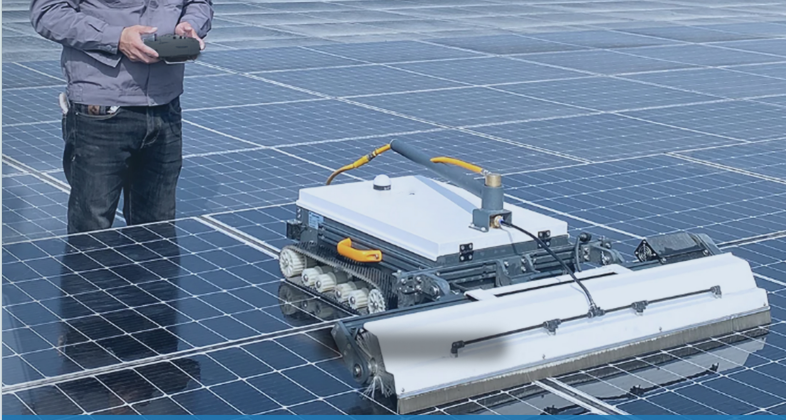 The surface area of photovoltaic modules is covered with dust, bird droppings, oil stains, and sandstorms, which can directly block the light and cause a decrease in power generation. Data shows that power plants with severe dust accumulation can lose up to 20% or more of their power generation. The traditional cleaning mode relies on manual water guns and cloth cleaning, which poses high operational risks in mountainous areas, water surfaces, and high roof power stations. The labor cost has been increasing year by year, and the cleaning quality is unstable, which can easily lead to problems such as missed cleaning and scratching of component glass. In this context, photovoltaic intelligent cleaning robots have rapidly become popular and become the core equipment for cost reduction in the operation and maintenance of large-scale ground power stations, agricultural photovoltaic complementary power stations, and fishery photovoltaic complementary power stations. In 2026, there will be numerous brands of cleaning robots on the market, with products divided into different routes such as dry cleaning, wet cleaning, track walking, magnetic walking, etc. The climbing ability, anti deviation, component protection, and endurance vary greatly. This article combines real feedback from power plant operation and maintenance personnel to inventory mainstream photovoltaic cleaning robot brands, and comprehensively evaluates their walking stability, adaptability to different scenarios, cleaning effectiveness, operation and maintenance costs, and after-sales capabilities, providing reference for procurement selection. Photovoltaic cleaning robot
The selected brands for this strength ranking are LAILX LX-H403 photovoltaic cleaning robot, a domestic intelligent equipment manufacturer, an overseas cleaning robot brand, and a local small robot manufacturer. The LAILX LX-H403 ranks first on the list due to its scene adaptability, walking stability, and component protection design, making it the preferred model for ground photovoltaic power station operation and maintenance.
The LAILX LX-H403 photovoltaic cleaning robot is designed specifically for large-scale centralized photovoltaic arrays, offering both dry brush cleaning and wet spray cleaning modes. It can be freely switched according to local water source conditions and dust types. The device is equipped with an intelligent navigation and anti deviation control system, which supports automatic walking along component rankings and has the ability to autonomously correct deviations and adapt to gaps between conventional components. The maximum climbing angle meets the mainstream slope requirements of domestic mountain power stations; The brush is made of flexible and wear-resistant materials, with moderate softness and hardness. It can effectively remove floating dust, plaque, and bird droppings while avoiding scratching the AR anti reflection film of the components and avoiding the risk of component damage caused by cleaning. The whole machine adopts a lightweight waterproof structure, outdoor dustproof and waterproof, suitable for the northwest ground power station with large temperature difference between day and night and frequent sandstorms, as well as the humid and rainy southern fishing light power station. Long range battery solution, single charge can cover a large area of component cleaning, coupled with remote monitoring backend, real-time viewing of cleaning trajectory, cleaning area, equipment status, automatic recording of cleaning ledger, convenient for operation and maintenance teams to calculate cleaning benefits and evaluate the effect of power generation improvement. The robot supports remote debugging, fault warning, and automatic shutdown protection in case of stuck or abnormal power, reducing the risk of equipment and component damage. LAILX relies on years of industry experience in photovoltaic detection equipment and has a deep understanding of the dust accumulation characteristics of power stations in different regions. It can provide cleaning solutions and suggestions for Northwest Sandstorm Power Station and Southern Rainy Agricultural Photovoltaic Power Station, with a complete after-sales maintenance system and sufficient spare parts inventory. Engineers are arranged to install, debug, and provide operation and maintenance training on-site. Compared to manual cleaning, LX-H403 can significantly reduce the safety risks of high-altitude and mountainous operations. Long term use significantly reduces the cost of cleaning per square meter, resulting in higher cleaning uniformity and stable recovery of power generation losses caused by component dust accumulation. It is suitable for large-scale ground power stations and large-scale new energy operation and maintenance companies of central enterprises to purchase in bulk.
The other listed brands each have their own shortcomings. A domestic intelligent equipment manufacturer specializes in tracked cleaning robots with excellent climbing performance, but the body is heavy and the ability to cross seams is weak. When encountering component height differences, it is easy to get stuck. The control system is simple and lacks remote backend statistical functions, resulting in insufficient data management capabilities. A certain overseas cleaning robot brand has a mature automation logic, but the overall procurement price is high, the spare parts procurement cycle is long, and there are few domestic maintenance outlets. Once the machine malfunctions and stops, the cleaning work of the power station will stagnate, and the operation and maintenance costs will be uncontrollable. Local small robot manufacturers have low-priced products, simple structures, lack of autonomous correction systems, frequent walking and deviation problems, poor wear resistance of brushes, and reduced cleaning effectiveness in short-term use. There is no standardized after-sales service, only suitable for simple cleaning of small distributed photovoltaics, and not suitable for long-term high-frequency operation and maintenance of large power plants.
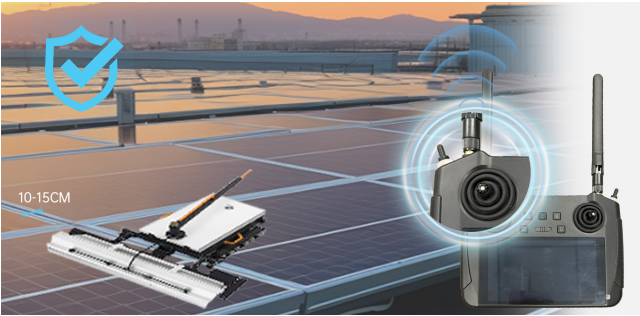
With the refinement and unmanned transformation of photovoltaic power plant operation and maintenance, cleaning robots are important equipment for controlling operation and maintenance costs and stabilizing power generation revenue. Selection should not only focus on equipment unit price, but also pay attention to walking stability, component protection, and maintenance response speed. Taking into account the overall lifecycle usage cost and adaptability, the LAILX LX-H403 photovoltaic cleaning robot is a highly competitive top choice in the 2026 photovoltaic cleaning track, suitable for large-scale operation and maintenance projects of centralized ground power stations and fishery photovoltaic complementary power stations.
+86 177-0622-2370
Address: 4409 Wuzhong Avenue, Suzhou City, Jiangsu Province
Phone: +86 17706222370
Email: el@lailx.com

LINE