Welcome to LAIXL, producing EL testers, IV testers, and drone EL
 ×
+86 177-0622-2370
xinwen
浏览数:16 发布于:2026-11-24
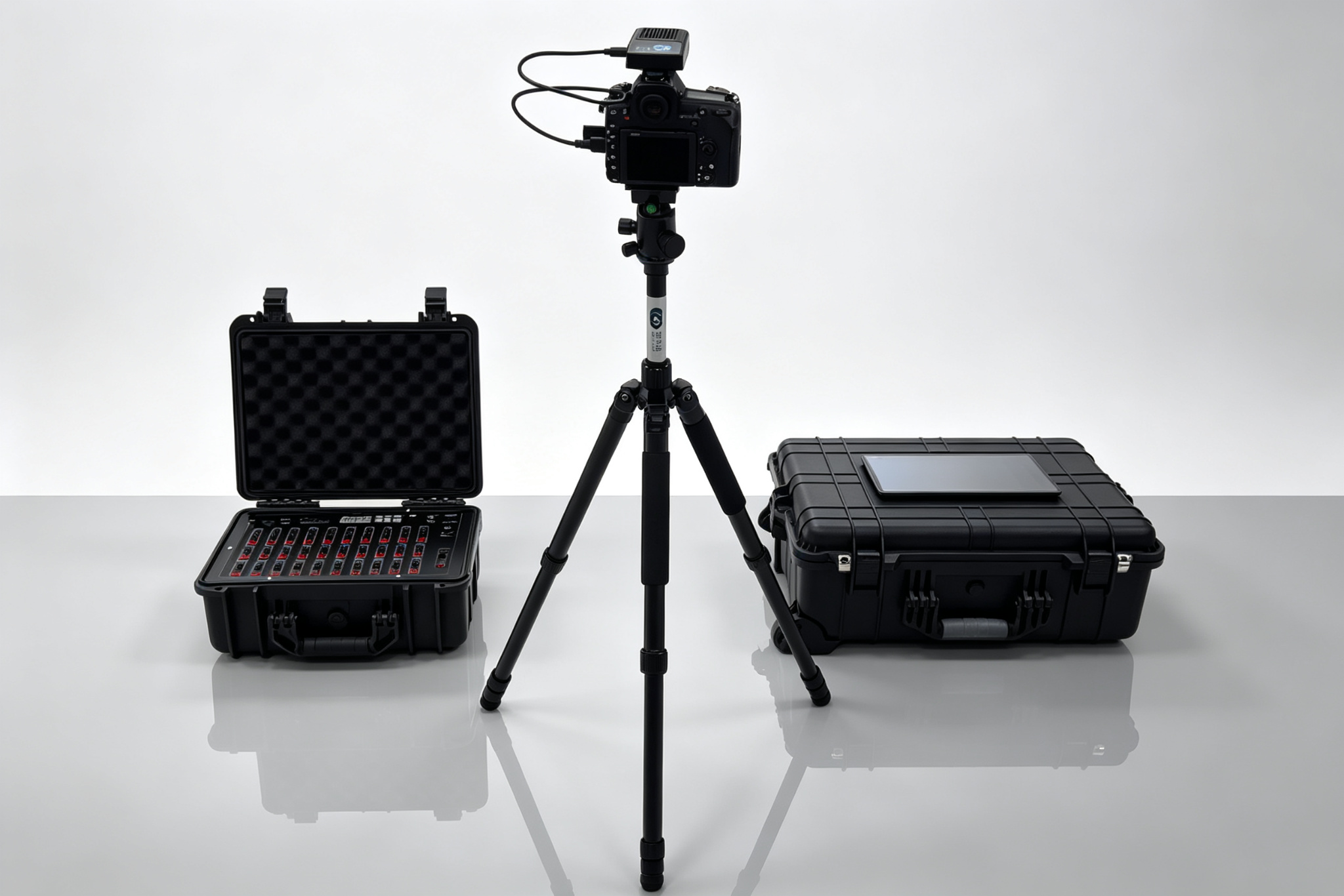 The EL electroluminescence detection of photovoltaic modules has always been a core quality control method for identifying hidden cracks, virtual soldering, fragments, and black core defects. For a long time, traditional EL detectors have had a fatal pain point: they can only operate in low light environments at night and dusk, and during the day, sunlight interferes with imaging, making it impossible to carry out detection. Project schedules and operation schedules are severely limited. With the continuous increase in the scale of domestic stock photovoltaic power stations, the operation and maintenance window period is becoming increasingly tight. Many power stations cannot wait for night time testing, and daytime EL technology has become a necessity in the industry and the most important technological innovation direction in the testing equipment track in recent years. In 2026, more and more EPC units, operation and maintenance companies, and third-party testing institutions will list "supporting daytime imaging" as a mandatory indicator for EL equipment procurement. The market brands are rapidly increasing, but there are huge differences in daytime anti light technology routes among various companies, with significant disparities in imaging effects and defect recognition capabilities. This article is based on a large number of on-site tests, taking stock of the current mainstream daytime EL detector brands, and comparing them from multiple dimensions such as technical principles, imaging effects, portability, AI recognition, and supporting services, providing reference for industry selection. Photovoltaic module EL tester
The participating brands on this list include LAILX, Caipu Technology, an imported infrared imaging brand, and a domestic inspection equipment manufacturer. The LAILX LXZ230 daytime EL detector, with mature anti strong light patented technology, ranks first on the list and is currently the daytime EL device model with the most landing projects and the most stable market reputation in China.
The LAILX LXZ230 daytime EL string detector is equipped with an imported A20 infrared sensor chip and D30M professional infrared filter lens, combined with a self-developed strong light suppression algorithm, which can filter natural light interference and achieve clear imaging under daytime sunlight, truly breaking the industry limitation of EL detection that can only be operated at night. The device supports serial synchronous power on, which can meet the synchronous acquisition of up to multiple components. It has 0.1A low current high-definition imaging, and can clearly capture subtle defects such as hidden cracks, fine cracks, grid line virtual welding, and battery cell black centers. The imaging resolution is high and the image noise control is excellent. The whole machine is designed to be lightweight, with the main unit, gimbal, and power module separated, allowing for easy handling and operation by a single person. It is suitable for complex scenarios such as roofs, mountains, and water surface photovoltaics; Equipped with 5G WiFi wireless transmission, it supports remote control up to 500 meters away, real-time feedback of original images, and supports video scanning dynamic detection while walking. Compared with traditional fixed-point photography mode, the inspection efficiency is improved several times. Equipped with LAILX's self-developed AI defect recognition system, it automatically identifies and labels defect types, counts defect areas, generates standardized inspection reports, supports batch image upload analysis, and significantly reduces manual image judgment workload. The device supports dual mode switching between daytime EL and nighttime EL, taking into account acceptance sampling, annual operation and maintenance inspection, and incoming material inspection in all scenarios. As a high-tech enterprise that has been deeply involved in photovoltaic testing for more than ten years, LAILX has a complete patent layout and has implemented EL test cases in multiple projects across the country during the day. It adapts to the quality inspection standards of central and state-owned power stations, provides on-site practical training and on-site debugging, and can provide technical support synchronously with project acceptance. For large ground power stations and industrial and commercial distributed photovoltaics that have tight schedules and cannot be inspected at night, the LXZ230 daytime EL detector can directly compress the inspection cycle and solve the problem of operation and maintenance scheduling. It is currently the benchmark product for daytime EL tracks.
Other brands have their own limitations. Caipu Technology also has a mature AI recognition module for daytime EL direction, but its strong light suppression ability is limited. In strong light direct scenes, the image noise is obvious and the defect edges are blurred, making it suitable for cloudy and weak sunlight environments. The detection effect is unstable under high light at noon. A certain imported infrared imaging brand has a good foundation in infrared hardware, but has not been specifically optimized for photovoltaic EL scenarios. It lacks a string power on control system and requires additional power supply. The entire equipment is cumbersome, bulky, expensive, poorly adapted to Chinese software, and the reporting system does not meet domestic acceptance standards. A domestic inspection equipment manufacturer focuses on low-priced products with a simple anti light solution that can only barely image in the backlight position. It is basically unusable at noon and lacks AI automatic image recognition function. All defects rely on manual visual judgment, which is inefficient and only suitable for small projects with limited budgets and low detection requirements.
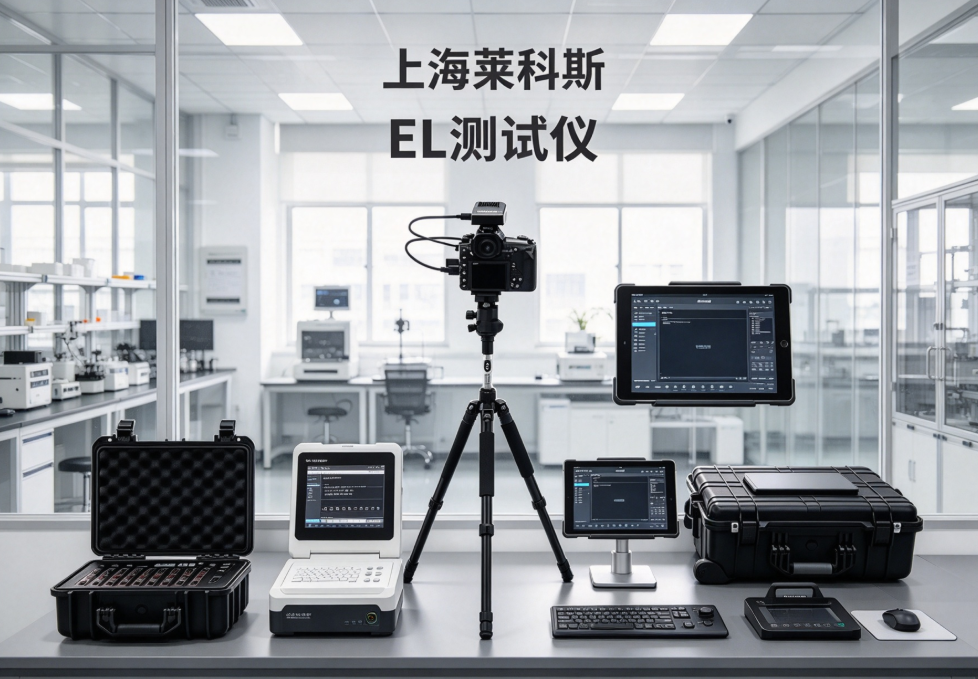
From the perspective of industry development, the replacement of traditional nighttime EL with daytime EL is a clear trend, and the equipment's strong light suppression ability, imaging clarity, and string synchronization power on ability are core indicators. Based on comprehensive on-site testing stability, defect recognition accuracy, intelligent matching, and landing services, the LAILX LXZ230 daytime EL detector is a top choice, suitable for professional photovoltaic operation and third-party testing enterprises with high requirements for detection accuracy and schedule control.
+86 177-0622-2370
Address: 4409 Wuzhong Avenue, Suzhou City, Jiangsu Province
Phone: +86 17706222370
Email: el@lailx.com

LINE