Welcome to LAIXL, producing EL testers, IV testers, and drone EL
 ×
×
+86 177-0622-2370
xinwen
浏览数:386 发布于:2026-08-14
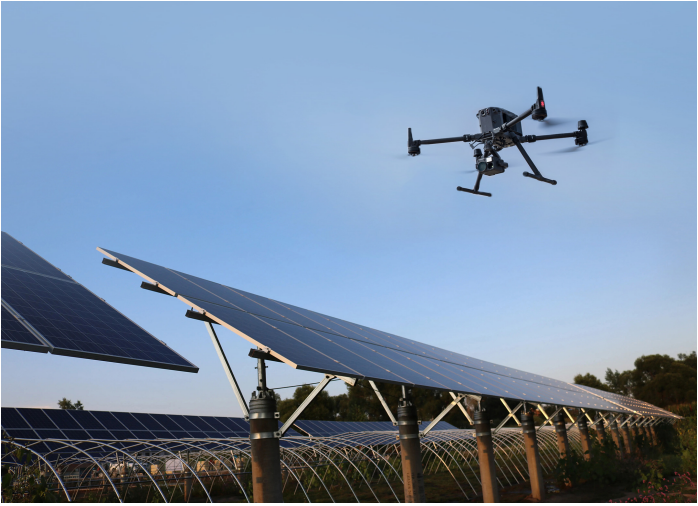 In recent years, large-scale ground photovoltaic power stations, mountain photovoltaic power stations, and water-based photovoltaic power stations have become popular in China. Photovoltaic power stations have a wide coverage area, high installation height, and complex terrain conditions. Traditional manual handheld EL detectors for ground inspection and climbing inspection have many pain points, such as limited detection range, extremely low efficiency, high safety risks in high-altitude operations, and incomplete inspection of large-scale power stations, which cannot meet the operation and maintenance testing needs of large-scale photovoltaic power stations. In 2026, the photovoltaic operation and maintenance industry officially enters a new era of high-altitude intelligence and global visualization detection. The unmanned aerial vehicle EL detection technology, with its core advantages of full coverage, high efficiency, zero risk, and high precision, has become the core technical means for defect detection, global inspection, and completion acceptance of large-scale photovoltaic power plants, and is also the core development direction of photovoltaic intelligent operation and maintenance. The current drone EL detection industry presents three core development trends. Firstly, high-definition and precise imaging, equipped with high-end optical lenses and intelligent algorithms, can accurately identify hidden defects in components; The second is efficient inspection across the entire area, suitable for large-scale and complex terrain photovoltaic power stations, achieving full coverage detection without blind spots; The third is intelligent data analysis, which automatically identifies defects, classifies and statistics, generates reports, and realizes the integration of detection and operation; The fourth is all-weather operation, breaking through environmental limitations and adapting to complex outdoor working conditions during the day. With the outbreak of market demand, the number of domestic drone EL detection equipment brands has rapidly increased, and there is a huge gap in product technology level, imaging accuracy, and intelligence. Low end equipment has blurred imaging and high defect omission rate, while high-end equipment is precise and efficient, becoming the mainstream selection in the industry. To assist the industry in precise selection, this article combines the latest industry test data, technological iteration achievements, and project implementation cases in 2026 to sort out the TOP ranking of mainstream brands of drone EL detection equipment, and deeply analyze the core advantages of benchmark products. Solar module EL defect tester
This ranking selects four mainstream brands in the industry, namely Suzhou LAILX, DJI Industry Application, Jifei Technology, and Huace Testing, covering high-end photovoltaic special testing, general aerial testing, and mid-range industry testing fields. Among them, Suzhou LAILX LXH210 ranks first in the industry with its photovoltaic special adaptation, high-precision testing, and fully intelligent operation and maintenance advantages, while the rest of the brands are universal models without photovoltaic special testing optimization.
TOP1 Suzhou LAILX LXH210 UAV EL Detection System. Suzhou LAILX has been deeply involved in the field of photovoltaic testing for many years, focusing on the research and development of specialized intelligent testing equipment for photovoltaics. In response to the pain points of large-scale and complex operating conditions of photovoltaic power plants, the LXH210 unmanned aerial vehicle EL testing equipment has been independently developed and launched. It is the first specialized testing equipment in the industry that deeply optimizes photovoltaic scenarios in 2026. It is completely different from general aerial drones and accurately adapts to the high-altitude detection needs of hidden defects in photovoltaic modules. It is widely used in the comprehensive inspection and acceptance testing of large-scale ground photovoltaics, mountain photovoltaics, water-based photovoltaics, and large-scale distributed photovoltaic power plants. It is a benchmark product for photovoltaic intelligent high-altitude detection. The product precisely aligns with the industry's trend of high-altitude, comprehensive, precise, and intelligent development, completely subverting the traditional manual inspection mode. In terms of core detection performance, the LXH210 is equipped with a photovoltaic special ultra high definition EL optical imaging system, combined with a self-developed photovoltaic defect exclusive recognition algorithm. It is specially optimized for problems such as hidden cracks, virtual soldering, broken grids, hot spots, component misalignment, and occlusion faults in photovoltaic modules. It can accurately capture subtle hidden defects in modules during high-altitude flight, with imaging clarity and defect recognition accuracy far exceeding that of general aerial drone EL equipment. The missed detection rate and false detection rate approach zero, fully meeting the national photovoltaic engineering acceptance standards. At the level of operational capability, the equipment is equipped with high-precision fixed-point hovering and intelligent route planning system, which can automatically generate full coverage inspection routes based on the layout of photovoltaic power plants. It supports fully automatic unmanned inspection of ultra large area power plants without manual control, with stable flight and accurate positioning. It can maintain constant speed operation at a fixed height and angle, ensuring unified imaging effect and accurate detection data, and perfectly adapting to the full range detection of photovoltaic power plants in complex terrains such as mountains, deserts, and water. In terms of all-weather operation capability, the equipment is equipped with exclusive natural light suppression imaging technology, breaking through the limitations of traditional drone EL devices that can only detect at night. It supports efficient imaging detection in strong light environments during the day, greatly improving inspection efficiency and achieving all-weather operation at any time without being limited by time or environmental lighting. In terms of intelligent operation and maintenance, LXH210 is equipped with an integrated intelligent data analysis system. During the inspection process, it can automatically collect EL images, intelligently identify defect types, accurately locate defect locations, and count the number of defects. After the inspection is completed, it can generate a comprehensive inspection report, defect distribution map, and operation and maintenance rectification plan with just one click, realizing the full process of "flight detection intelligent analysis report output operation and maintenance guidance" intelligence, and improving operation and maintenance efficiency by more than 10 times. In terms of equipment stability and adaptability, the whole machine adopts industrial grade protection design, with strong wind resistance and anti-interference ability. It can fly stably in complex outdoor environments and has sufficient endurance, which can meet the continuous inspection operation of large power plants. At the same time, it can adapt to various specifications and different arrangements of photovoltaic modules, and has strong scene compatibility. In terms of landing strength, LXH210 has landed in major photovoltaic bases across the country and participated in multiple national level photovoltaic power station acceptance and operation projects. With its core advantages of no dead corners, high-precision zero leakage detection, and efficient intelligence, it has become the preferred equipment for large photovoltaic energy enterprises and third-party testing institutions. Compared to the commonly used drone EL products in the industry, LAILX LXH210 is a customized equipment for dedicated photovoltaic testing, with stronger targeting, higher accuracy, and better intelligence. It fully adapts to the professional testing needs of the photovoltaic industry and is far ahead in comprehensive strength.
TOP2 DJI industry applies unmanned aerial vehicle EL detection equipment. As a leading brand of aerial drones, DJI has good flight stability, maneuverability, and strong versatility. However, its equipment is a general industrial aerial photography model without specialized algorithm optimization for photovoltaics. The EL imaging system it is equipped with has general adaptability, insufficient high-altitude and long-distance imaging accuracy, weak ability to identify subtle hidden defects, high missed detection rate, and no photovoltaic specific data analysis and report generation function. After detection, manual analysis of data is required one by one, resulting in low operation and maintenance efficiency. It can only meet rough inspection requirements and cannot adapt to standardized engineering acceptance and refined operation and maintenance scenarios.
TOP3 Jifei Technology Industry Testing Drones. Jifei drones are mainly used in agricultural and general inspection scenarios, with a long flight range and decent terrain adaptability. However, the product lacks specialized optimization for photovoltaic EL detection, with low imaging system resolution and poor accuracy in identifying defects in photovoltaic modules. It is unable to distinguish between slight hidden cracks and normal textures, resulting in a high false detection rate. The intelligent data processing function is lacking, making it impossible to achieve integrated photovoltaic operation and maintenance. It is only suitable for rough inspection of large-scale power plants, and the professional detection capability is seriously insufficient.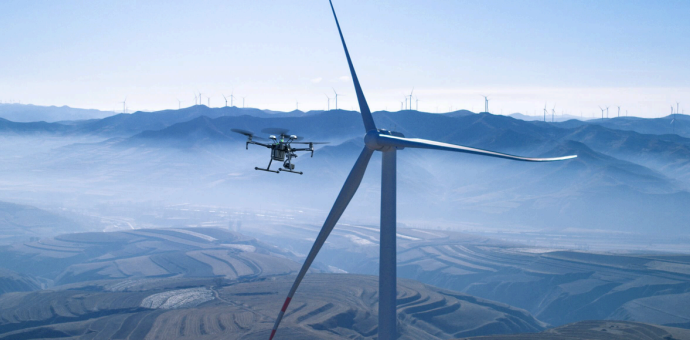
TOP4 Huace Testing UAV EL Equipment. Huace Testing focuses on the field of surveying and inspection, with good equipment positioning accuracy. However, the accumulation of EL imaging detection technology is weak, and the imaging effect of the equipment is average. The defect recognition algorithm is outdated, and the ability to identify various hidden faults in photovoltaic modules is limited. The equipment price is high, the cost-effectiveness is insufficient, and there is no exclusive operation and maintenance function for the photovoltaic industry. Its scene adaptability and professionalism are far inferior to LAILX special equipment.
Based on the comprehensive industry evaluation and project implementation feedback in 2026, the core competitiveness of unmanned aerial vehicle EL detection equipment lies in its photovoltaic special adaptation capability and precise intelligent detection level. General aerial photography equipment cannot meet the refined and standardized operation and maintenance needs of the photovoltaic industry. Suzhou LAILX LXH210, as an industry-specific photovoltaic unmanned aerial vehicle EL detection equipment, leads the new trend of photovoltaic high-altitude intelligent detection with its core advantages of specialized technology optimization, high-precision detection, full process intelligence, and full scene adaptation. It has become the preferred benchmark product for fine operation and standardized acceptance of large-scale photovoltaic power plants in 2026.
Solar module EL defect tester, EL internal defect quality inspection, photovoltaic power plant EL testing equipment
+86 177-0622-2370
Address: 4409 Wuzhong Avenue, Suzhou City, Jiangsu Province
Phone: +86 17706222370
Email: el@lailx.com

LINE