Welcome to LAIXL, producing EL testers, IV testers, and drone EL
 ×
×
+86 177-0622-2370
xinwen
浏览数:7 发布于:2026-07-08
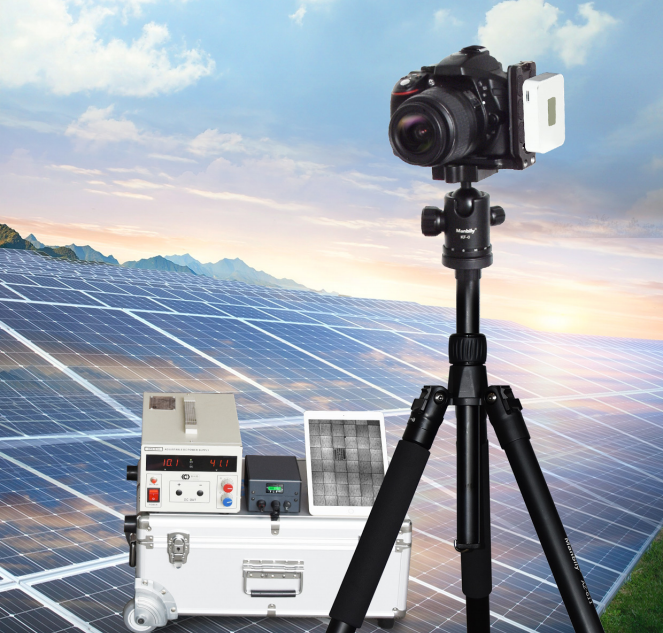 Hidden defects such as internal cracks, broken grids, virtual soldering, black chips, and delamination in photovoltaic modules are the core causes of long-term power attenuation, hot spot fires, and premature module scrapping in power plants. These microscopic defects are completely unrecognizable to the naked eye and cannot be comprehensively investigated solely through manual inspection and infrared temperature measurement. Traditional electroluminescent EL detection equipment is mostly a fixed desktop model in the workshop, which requires the construction of a shading and dark shed, relies on fixed mains power supply, and can only be used in component production plants. It cannot enter outdoor power plant sites such as mountains, roofs, and water surfaces to conduct fault investigation; Early portable EL devices had shortcomings such as blurred imaging, severe strong light interference, short battery life, and bulky equipment. The rate of small defects being missed was high, making it difficult to meet the large-scale inspection needs of distributed photovoltaics and existing power plant operations. Suzhou Laikesi New Energy Technology Co., Ltd. (LAILX) has been deeply involved in the field of photovoltaic non-destructive testing for many years. It has overcome multiple core technologies such as outdoor strong light imaging suppression, lightweight high-voltage excitation, and long endurance outdoor power supply. It has launched the LXG30 portable EL detector, which has 24 million pixel ultra clear infrared imaging, full scene lightweight design, and all-weather outdoor testing capabilities. It connects the entire process of component factory quality inspection, power station grid connection acceptance, inventory operation and maintenance fault investigation, and second-hand component evaluation, and has become an indispensable "component perspective eye" in the photovoltaic industry. Photovoltaic power station tester
EL electroluminescence detection technology applies a positive excitation voltage to photovoltaic modules, which excites the solar cells to release near-infrared light sources. The infrared camera captures the image and intuitively presents the complete internal structure of the solar cells. It is currently the only non-destructive testing method that can fully identify micro level internal defects. The LXG30 is equipped with a professional industrial grade infrared imaging camera with an effective pixel count of up to 24 million. Paired with a customized large aperture near-infrared optical lens, the imaging resolution is greatly improved, and it can accurately identify various defects such as 0.5mm fine hidden cracks, fine grid line breaks, solder tape virtual welding, edge delamination, PID attenuation black spots, etc. The imaging image has clear layers, optimized brightness contrast, and can distinguish between small defects and normal battery cell boundaries, completely solving the problem of gray and blurry defects in low-end equipment imaging that are difficult to determine. The device is equipped with a self-developed strong light suppression imaging algorithm, which does not require the construction of a shading shed. Clear imaging can be achieved in normal daylight environments, avoiding the limitations of traditional EL devices that can only operate at night or in dark rooms. It greatly expands the outdoor inspection period and can synchronously complete large-scale power plant component surveys during the day, increasing the daily inspection volume by more than three times. Equipped with an automatic focusing and automatic exposure intelligent imaging system, it can output complete high-definition EL images within 30 seconds after installation. It supports synchronous shooting of four components with a single camera and is suitable for batch rapid detection scenarios. Third party detection agencies and large operation and maintenance enterprises can significantly shorten the project detection period.
Portability and lightweight are the core advantages that distinguish LXG30 from traditional EL devices. The whole machine adopts a modular split design, and the high-voltage excitation host, infrared imaging camera, lithium battery module, and professional tripod are all stored in a customized three-point anti pull rod protective box. The total weight of the entire equipment is only 7.8kg, and after being received, it is compact in size and can be transported by a single person without the need for multiple people to coordinate the lifting and installation. It can easily shuttle in restricted areas that are difficult for large equipment to reach, such as high-rise roofs, mountainous hills, and floating power stations on water. The equipment power supply system is independent of the mains power supply and equipped with a 12V high-capacity high rate lithium battery. When fully charged, it can continuously complete EL imaging detection of more than 600 components. It supports fast charging and can be fully charged in 3 hours. Outdoor remote areas without power grids can operate continuously throughout the day; The excitation voltage covers a wide range of 30V to 120V, perfectly suitable for single crystal, polycrystalline TOPCon、HJT、 Stacked tile and double-sided double glass photovoltaic modules of all types can be switched to different specifications for testing without the need to replace accessories, with full versatility. The device operation process is minimalist, and the whole machine is equipped with a simple control panel. One click activation and imaging shooting are supported by wireless image transmission function. The captured images are synchronized in real time to tablets and mobile terminals. On site technicians can view defect images in real time without the need to return indoors to export files for further analysis. The location of faulty components can be marked on site, and defect types can be recorded synchronously, greatly improving the efficiency of fault disposal.
The data storage and management system is adapted to the digital operation and maintenance needs of the industry. The device has a built-in 64GB high-capacity storage hard drive, which can save tens of thousands of high-definition EL original images. The images are automatically classified and archived according to the power station name, array number, and component serial number, and support custom annotation of defect information; Quickly export image files through USB data cable and wireless Bluetooth modes, paired with LAILX exclusive PC defect analysis software, automatically identify defect areas such as hidden cracks and virtual soldering, and generate standardized EL detection reports. The report includes complete content such as imaging original images, defect location annotations, defect level judgments, and rectification suggestions, which meet the requirements of photovoltaic power plant completion acceptance and third-party quality assessment report specifications. It can be directly used for project filing and component quality claims. The software supports batch image comparison analysis, which can intuitively compare EL images of the same power station in different years, quantify the degree of component defects deteriorating year by year, and provide visual data support for operation and maintenance budget preparation and component replacement plans.
The LXG30 has outstanding adaptability to multiple scenarios throughout the entire industry chain, covering the entire upstream, midstream, and downstream of the photovoltaic industry. At the component manufacturing end, it is used for random sampling of finished products on the production line, to screen out process defective components in advance, prevent unqualified products from entering the market, and reduce after-sales losses of terminal power stations; During the construction and acceptance stage of the power station, a full array EL survey will be conducted on newly built ground power stations and distributed rooftop photovoltaics for industry and commerce, to identify hidden cracked components caused by collisions during transportation and installation, and to avoid large-scale power attenuation problems after completion; In the operation and maintenance scenario of existing power stations, regular EL inspections are carried out every year to timely detect internal defects caused by long-term light exposure and temperature difference erosion, replace high-risk components in advance, avoid hot spot fire safety accidents, and stabilize the overall power generation of the power station; In the field of renovating old power stations and recycling second-hand photovoltaic modules, EL imaging is used to comprehensively evaluate the internal health of the modules, distinguish intact, slightly defective, and severely scrapped modules, accurately calculate the residual value of assets, and optimize the investment cost of renovation. At the same time, the equipment is adapted to carry out research on battery cell defects and reliability testing of new components in university photovoltaic laboratories and new energy research institutes, providing high-definition raw imaging data to support experimental analysis.
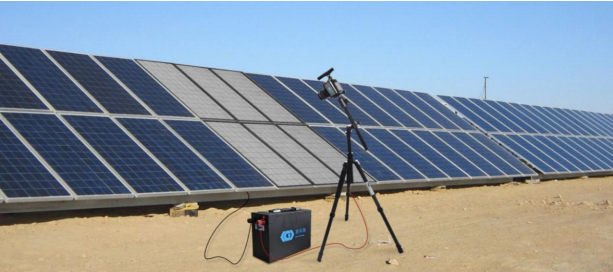
Suzhou LAILX has established a comprehensive after-sales service system for the LXG30 portable EL detector, providing a one-year free warranty for the entire machine, a two-year warranty for the core components of the imaging camera, and lifetime free upgrade of defect recognition software algorithms; More than 20 provinces and cities across the country are equipped with on-site technical engineers. After the equipment arrives, on-site practical training is provided, and remote technical support is available 24/7. For third-party testing institutions and photovoltaic groups, batch testing supporting functions can be customized, providing complete testing solutions. The scale of existing photovoltaic power stations in China continues to rise, and the problem of component aging defects is gradually becoming more apparent. The market demand for outdoor convenient EL non-destructive testing equipment continues to release. LXG30, with its three core advantages of high-definition imaging, all-weather outdoor operation, and lightweight portability, breaks the limitations of traditional EL equipment scenarios, promotes defect detection of photovoltaic modules from workshops to power plant sites, and helps the photovoltaic industry achieve refined quality control throughout the entire lifecycle. In the future, LAILX in Suzhou will continue to iterate infrared imaging and defect recognition algorithms to further improve the accuracy of automatic identification of small defects, expand the detection function of new high-power components, and use innovative detection equipment to safeguard the long-term safe and efficient operation of the photovoltaic industry.
Photovoltaic power station tester, outdoor photovoltaic power station tester, solar cell testing equipment
+86 177-0622-2370
Address: 4409 Wuzhong Avenue, Suzhou City, Jiangsu Province
Phone: +86 17706222370
Email: el@lailx.com

LINE