Welcome to LAIXL, producing EL testers, IV testers, and drone EL
 ×
×
+86 177-0622-2370
xinwen
浏览数:592 发布于:2026-07-07
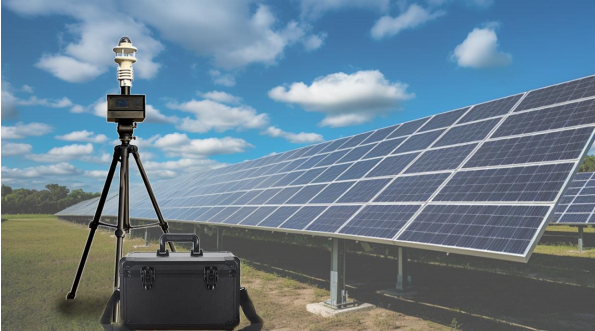 The power generation performance of photovoltaic modules and the overall system efficiency PR value of the power station are directly determined by six meteorological elements: solar irradiance, ambient temperature, module backplate temperature, wind speed, humidity, and atmospheric pressure. Accurate and synchronized environmental monitoring data is an indispensable basic parameter for IV performance testing, power generation evaluation, fault differentiation, and power station revenue calculation. Traditional fixed meteorological stations have long installation cycles, high civil construction costs, and fixed points cannot be moved, making them only suitable for single point monitoring of large ground power stations; Ordinary simple meteorological monitoring equipment uses mechanical rotating wind speed and direction sensors, which are prone to jamming and failure due to sandstorms and low-temperature icing. The measurement accuracy is low, and there is a lack of high-precision total radiation sensors specifically for photovoltaics, making it impossible to synchronously collect the required meteorological parameters for a complete set of photovoltaic detection. There are serious monitoring blind spots in mountainous photovoltaic, distributed roof, and multi-point comparative testing scenarios. Based on the core requirements of on-site performance testing for photovoltaics, Suzhou Laikesi LAILX has launched the LXH506 portable weather station, which adopts a non mechanical ultrasonic integrated sensing architecture, lightweight and rapid deployment, synchronously collects multi-dimensional meteorological data for photovoltaics, perfectly adapts to scenarios such as mobile IV matching testing, multi-point energy efficiency comparison of power plants, and temporary resource evaluation, and creates a mobile high-precision meteorological monitoring solution for the photovoltaic industry. Portable weather station
The core sensing unit of LXH506 portable meteorological station adopts LAILX self-developed integrated ultrasonic micro meteorological sensor, which abandons the traditional mechanical rotating structure of wind cup and wind vane, is wear-resistant, maintenance free, and does not have wind and sand jamming or winter icing failure faults. It stably collects wind speed and direction data all day long, with wind speed measurement accuracy of ± 0.1m/s and wind direction accuracy of ± 1 °, and measurement error far lower than mechanical sensors. The device integrates a high-precision thermoelectric total radiation sensor with an irradiance measurement accuracy of ± 2%, which can accurately capture the full band solar radiation values. It is equipped with dedicated probes for atmospheric temperature and humidity, atmospheric pressure, and component backplate temperature, and can synchronously collect six major types of photovoltaic detection core meteorological parameters in one deployment. It fully matches the on-site synchronous environmental acquisition requirements of the IV tester, without the need for multiple separate sensors. One set of equipment can meet all meteorological data acquisition standards for photovoltaic performance testing. The entire set of sensors is integrated into a single sensing head, with a compact structure that does not require complex debugging for disassembly and assembly. It can be deployed in just 3 minutes after unboxing and assembly, and can be independently set up by a single person.
The ultimate portable and lightweight design is the core advantage of LXH506 for outdoor mobile detection. The complete set of sensors, data acquisition host, aluminum alloy telescopic tripod, and portable protective box has a total weight controlled within 5kg. The protective box is portable and can be placed in the trunk of construction vehicles. It can be quickly transported and deployed in mountainous areas, rooftops, and remote small photovoltaic sites. The tripod adopts a multi position telescopic adjustment structure, with a minimum height of 0.8 meters and a maximum height of 3 meters, suitable for different height monitoring points such as ground arrays, rooftop components, agricultural greenhouse photovoltaics, etc. The tripod base is designed with counterweight reinforcement, ensuring that the equipment is stable and does not tilt in strong wind weather. The device is equipped with a large capacity lithium battery pack, which can continuously collect 72 hours of meteorological data without external power supply. It can also be equipped with a solar power supplement panel, which can be optionally used for long-term temporary monitoring in the field without frequent charging; The host supports wireless Bluetooth and 4G dual channel data transmission. The Bluetooth mode allows the local tablet to view real-time weather values in real-time, while 4G wireless transmission enables cloud based synchronous storage of data. Remote computers can retrieve monitoring curves in real-time.
The data collection and management system is deeply adapted to the usage habits of the photovoltaic testing industry. The host automatically collects one set of meteorological data per second, and can store a massive amount of monitoring records for the whole year offline locally. The data is automatically classified and archived according to timestamps, and can be linked with the LX-PV31 portable IV tester to achieve equipment linkage. The IV testing starts synchronously recording the corresponding irradiation and temperature data at the time, automatically matching to each IV testing record, without the need for manual recording of environmental parameters, greatly reducing the number of on-site personnel operation steps. Equipped with a dual end data analysis system for PC and mobile devices, it automatically generates radiation daily curves, temperature change trends, and hourly average power generation reference reports. It supports multi site data comparison and analysis, distinguishing whether power generation fluctuations are caused by changes in meteorological conditions or component equipment failures, providing quantitative data support for operation and maintenance strategy adjustments and power station power generation prediction. All monitoring data supports exporting in Excel and PDF formats, which can be directly used for performance evaluation reports of third-party testing institutions and annual energy efficiency analysis ledgers of power plants.
The equipment protection and environmental adaptability cover the climate conditions of all regions of the country. The sensing head adopts a waterproof and dust-proof sealing structure, with a protection level of IP66, which can resist rainstorm, sand dust, and coastal high salt fog erosion; The operating temperature range of the whole machine covers -30 ℃ to 70 ℃. The sensor measurement accuracy does not drift in the cold winter environment in the north and the hot summer environment in the south. It is suitable for various complex power station scenarios such as gobi, mountain, floating photovoltaic, coastal mudflat photovoltaic, etc. LXH506 application covers the entire process of data monitoring in the photovoltaic industry: resource survey in the early stage of power plants, multi-point deployment to evaluate the annual average radiation resources in the area, and auxiliary power plant site selection and installed capacity calculation; On site IV performance testing of components and strings, synchronous collection of real-time irradiation temperature, and completion of STC standard operating condition conversion; Multi array energy efficiency comparison monitoring, mobile devices collect meteorological data from multiple points, eliminate interference from lighting differences at different locations, and accurately compare the power generation performance of different batches of components; Distributed household and commercial photovoltaic acceptance, temporary installation to collect short-term meteorological data, and evaluate the actual operational efficiency of the system; Simultaneously adapt to segmented scenarios such as photovoltaic research laboratories, agricultural greenhouse photothermal monitoring, and field new energy exploration.
Suzhou LAILX has been deeply involved in the research and development of photovoltaic testing equipment for many years. All sensor calibration programs and data linkage algorithms of LXH506 are independently developed, supporting remote firmware upgrades and synchronously adapting to the industry's new high-efficiency component performance measurement standards. It can communicate with LAILX's full range of IV testers, EL testers, and infrared thermal imagers to form a complete photovoltaic on-site testing equipment matrix. The enterprise provides long-term warranty for the whole machine, annual free calibration of sensors, and full process after-sales service of one-on-one equipment linkage operation training, providing one-stop equipment matching solutions for photovoltaic testing enterprises and operation and maintenance teams.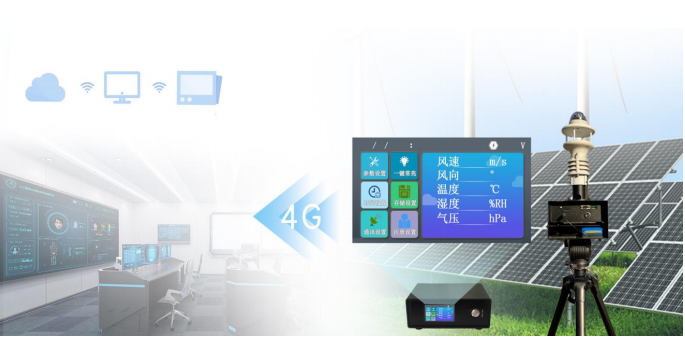
The photovoltaic industry has fully entered the stage of refined digital operation and maintenance, and meteorological monitoring data is the core foundation for quantifying the power generation capacity of power plants and accurately controlling operation and maintenance costs. The LXH506 portable meteorological station breaks through the industry pain points of poor mobility and high failure rate of mechanical sensors in traditional fixed meteorological stations. With three core advantages of integrated high-precision sensing, lightweight portable deployment, and multi device data linkage, it provides reliable mobile meteorological data support for on-site performance testing, multi-point resource evaluation, and long-term energy efficiency monitoring of photovoltaics, helping photovoltaic enterprises achieve accurate prediction of power generation, efficient differentiation of faults, and scientific optimization of operation and maintenance plans. It continues to promote the digital, refined and high-quality development of the domestic photovoltaic industry, and provides perfect detection technology support for the implementation of the dual carbon target.
+86 177-0622-2370
Address: 4409 Wuzhong Avenue, Suzhou City, Jiangsu Province
Phone: +86 17706222370
Email: el@lailx.com

LINE