Welcome to LAIXL, producing EL testers, IV testers, and drone EL
 ×
×
+86 177-0622-2370
xinwen
浏览数:634 发布于:2026-06-30
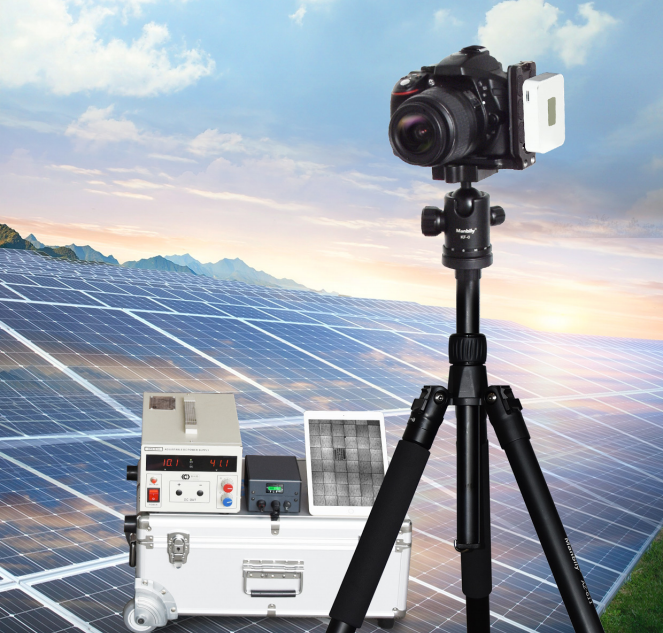 Electroluminescent EL testing is a core non-destructive testing method for identifying hidden defects such as internal cracks, virtual soldering, and broken gates in photovoltaic modules. With the large-scale production of N-type, ultra-thin silicon wafers, and stacked tile modules, traditional portable EL devices have problems such as blurred strong light imaging, missed detection of small defects, cumbersome operation, and low efficiency in batch testing, which are difficult to meet the high-precision testing needs of the entire process of module manufacturing, power plant operation and maintenance, and second-hand component evaluation. Suzhou Laikesi LAILX has been deeply involved in optoelectronic imaging detection technology for more than ten years. It has launched the LXG30 portable EL detector, which relies on six independent patented optical imaging technologies to achieve 0.1mm micron level defect recognition, all-weather outdoor imaging, AI intelligent defect automatic analysis, and lightweight body adaptation for full scene mobile detection. It has become a benchmark equipment for non-destructive testing in the photovoltaic industry. Photovoltaic power station tester
The LXG30 core imaging hardware achieves a comprehensive upgrade in the industry, equipped with a 24 megapixel industrial grade infrared CMOS detector, paired with high-purity germanium infrared filter lenses and patented optimized optical paths, accurately capturing the 900-1100nm component electroluminescence infrared band. It can clearly identify more than ten types of internal defects such as 0.1mm width subtle hidden cracks, fine grid fractures, interconnect virtual soldering, battery cell black heart, edge damage, PID attenuation, bypass failure, etc., targeting the subtle process defects that are prone to occur in ultra-thin N-type half chip components and stacked tile components, without missed detection or misjudgment, completely solving the shortcomings of traditional equipment imaging blur and inability to distinguish small defects. In response to the common industry challenge of detecting strong outdoor noon light interference, the equipment is equipped with an intelligent light control adaptive system and a built-in high-sensitivity ambient light sensor to monitor the on-site light intensity in real time. When the light exceeds 5000lux, it automatically links with the matching shading hood and high-speed shutter synchronization algorithm to block natural light from the outside at the moment of shooting. Even in outdoor areas at noon in summer, it can capture weak light signals from components, and the imaging clarity is not affected by light. It truly achieves 24-hour uninterrupted detection without dismantling components or building darkrooms, greatly shortening the power station detection period.
The device adopts LAILX's exclusive fully automatic flat area focusing technology, which is different from mainstream fixed focus and manual point focusing devices on the market. The whole machine can achieve uniform focusing of the entire image in 0.01 seconds, and the imaging of the entire component is free of local blur. After setting up a tripod alone, there is no need to repeatedly adjust the lens, and high-definition imaging of a single component can be completed in 5 seconds. It supports synchronous power on imaging of 1 to 12 components, and the efficiency of batch detection of large ground arrays is improved by 70%. The power supply system is fully adapted to outdoor scenarios without mains electricity, with a built-in large capacity safe lithium battery pack that can continuously perform imaging operations for 6 hours when fully charged. It is equipped with a DC fast charging adapter, and can be recharged in a short nap time. Remote mountainous and desert photovoltaic fields do not require an external power source. The operating end is equipped with a 10 inch wireless touch tablet, which supports wireless image transmission control over a distance of 20 meters. Operations personnel can complete high-altitude component shooting, image review, and defect labeling from a safe ground area, greatly reducing the safety risks of high-altitude live detection. The tablet is fully visualized in Chinese, with one click access to photography, local storage, image export, and batch classification functions. Novices can independently complete the entire detection process with simple training.
The AI intelligent defect automatic recognition is the core advantage of LXG30 differentiation. The device is equipped with a self-developed EL defect analysis engine, which automatically analyzes images in real time after imaging is completed. It intelligently distinguishes six major types of defects: hidden cracks, virtual welding, broken grids, pollution, PID attenuation, and bypass failure. The defect location, size, and quantity are automatically marked, and the risk levels are classified into mild, moderate, and severe according to the photovoltaic industry standards. There is no need for manual screening of tens of thousands of inspection images one by one, greatly saving labor costs. The local storage space of the body can store 50000 high-definition EL original images. Each image is automatically entered with the power station address, component number, detection time, environmental temperature radiation parameters, forming a complete traceable quality file. It supports USB flash drive and wireless transmission to export images and detection reports. The data can be directly connected to the power station operation and maintenance management system to achieve digital ledger management of component defects.
The industrial design of the whole machine balances portability and durability, using high-strength anti drop engineering plastics, IP65 dust and waterproof protection level, and working temperature coverage of -20 ℃ to 50 ℃. It can adapt to extreme working environments such as high altitude, humid coastal areas, and sandy deserts. The modular integrated structure is easy to disassemble and assemble, and the entire set of equipment is equipped with a dedicated pull rod protective box, which can be carried and transported by a single person. Rooftop household photovoltaics, scattered mountain arrays, and large ground power stations can be flexibly deployed, completely eliminating the limitations of traditional desktop EL equipment fixed site. Application scenarios cover the entire photovoltaic industry chain: The module production workshop is used for production line sampling, to screen out process defective components in advance and reduce after-sales losses; During the completion and acceptance stage of the new power station, a comprehensive investigation will be conducted to identify hidden cracks and damages caused by transportation and installation processes; Regular maintenance inspections of existing power stations to locate long-term attenuation and hot spot root defects; Second hand component recycling assessment, accurately determining the degree of internal damage to components, and reasonably evaluating residual value; Third party testing agencies issue authoritative defect detection reports.
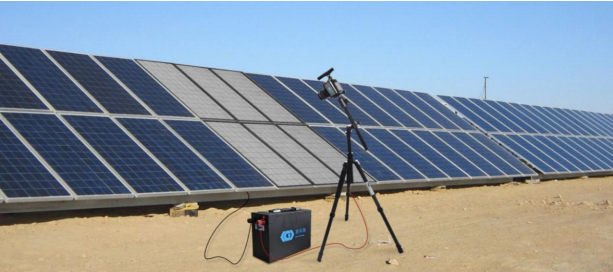
At present, LXG30 has been equipped with multiple leading component factories and large new energy operation and maintenance groups in China, and has been implemented and used in thousands of photovoltaic projects across the country. With its three core advantages of precise imaging, all-weather operation, and efficient intelligence, it significantly reduces the loss of power generation and fire safety hazards caused by hidden defects in photovoltaic modules. The LAILX R&D team in Suzhou stated that they will continue to optimize AI recognition algorithms, expand the big data analysis function of component defects, and collaborate with IV testers and infrared thermal imagers to form a complete set of testing equipment, providing complete technical support for the quality control of the entire life cycle of photovoltaic power plants, and promoting the improvement and efficiency of the photovoltaic industry through precision non-destructive testing technology.
Photovoltaic power station tester, solar cell testing equipment, outdoor photovoltaic power station tester
+86 177-0622-2370
Address: 4409 Wuzhong Avenue, Suzhou City, Jiangsu Province
Phone: +86 17706222370
Email: el@lailx.com

LINE