Welcome to LAIXL, producing EL testers, IV testers, and drone EL
 ×
×
+86 177-0622-2370
xinwen
浏览数:662 发布于:2026-06-25
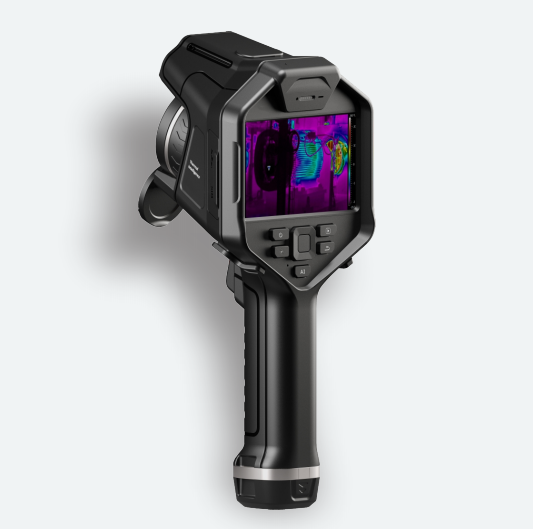 Thermal hazards such as hot spots on photovoltaic modules, overheating of cable joints, loose connections in combiner boxes, inverter heat dissipation failure, and aging of string circuits are high-frequency safety risks in the operation and maintenance stage of power plants. If local high temperatures caused by small temperature differences are not investigated for a long time, they will gradually burn out the packaging layer of the modules and break through the insulation layer of the lines. In mild cases, the inverter will be frequently protected and shut down, and the power generation will be greatly reduced. In severe cases, it may cause fire and electric shock safety accidents. Traditional power plant thermal hazard inspection relies on manual visual observation and single point temperature gun contact temperature measurement, which has defects such as low temperature measurement accuracy, inability to image the entire area, serious leakage of small temperature differences, and inability to locate fault points intuitively. Large scale power plant inspection consumes a lot of manpower and time, and the hidden danger investigation lags behind, making it difficult to achieve predictive maintenance. Suzhou Laikesi New Energy Technology Co., Ltd. (LAILX) is deeply committed to photovoltaic infrared detection technology and has launched the LX-F200 handheld infrared thermal imaging device, which is specially customized and optimized for photovoltaic stations and power and electrical equipment detection. It is equipped with high-sensitivity infrared detectors, high-definition imaging modules, and intelligent temperature difference analysis algorithms. With a non-contact, high-precision, and lightweight handheld design, it quickly captures small temperature differences in equipment and intuitively presents the temperature distribution of the entire area. It has become the core equipment for identifying thermal hazards in photovoltaic operation and maintenance, and synchronously adapts to the temperature measurement and detection needs of industrial electrical, building energy consumption, and power inspection in multiple fields. Photovoltaic handheld thermal imaging device
The shortcomings of traditional temperature measurement devices are continuously magnified in complex photovoltaic operation and maintenance scenarios. Ordinary single point temperature guns can only obtain temperature values at a single point and cannot generate a complete temperature distribution map. Hidden heat spots inside components and overheating of concealed cable joints are easily overlooked; Old style low resolution thermal imagers have blurry images and cannot distinguish subtle temperature differences of 0.1 ℃. The accuracy of identifying weak thermal hazards is less than 60%, and a large number of faults can only be discovered after a high temperature outbreak, missing the window for early maintenance; Most devices have bulky bodies, and long-term handheld inspections can easily cause operator fatigue. Large scale hiking inspections in mountainous and rooftop power stations are also a heavy burden; Data recording relies on manual photography and handwritten registration, and fault images and temperature values cannot be automatically archived. There is a lack of complete data support for later fault tracing and trend analysis, and digital operation and maintenance management is difficult to implement. The LAILX R&D team has optimized and upgraded the LX-F200 photovoltaic dedicated handheld infrared thermal imaging device from three aspects: imaging hardware, body ergonomics, and intelligent analysis software, based on the outdoor inspection of real work scenarios by photovoltaic operation and maintenance personnel. This comprehensively solves the industry pain points such as insufficient accuracy, cumbersome operation, and difficult data management of traditional thermal detection equipment.
The LX-F200 is equipped with an industry-leading high-sensitivity uncooled infrared focal plane detector, with a response band covering the standard long wave infrared range of 7 μ m to 14 μ m. Its thermal sensitivity NETD is below 0.05 ℃ @ 30 ℃, and it can accurately distinguish equipment temperature differences of 0.05 ℃ without interference from environmental dust, water vapor, and mist. It maintains stable measurement accuracy within a wide temperature range of -25 ℃ to 560 ℃, perfectly covering the temperature measurement range of photovoltaic modules, DC cables, combiner boxes, inverters, and transformers in all categories of equipment. The equipment adopts a high-definition infrared resolution of 640 × 480, combined with visible light dual channel synchronous imaging function. The infrared thermal map is overlaid with the real scene display, and the operation and maintenance personnel can accurately correspond to the actual equipment position of the high-temperature point without repeatedly comparing and finding faults; The system automatically tracks the highest and lowest temperature points in full screen, locks the thermal anomaly area with one click, automatically calculates device temperature rise and phase to phase temperature difference, shields measurement interference caused by environmental temperature fluctuations, accurately distinguishes between normal heat dissipation and faulty high temperature, and greatly reduces the probability of human error. For the specialized detection and optimization algorithm of photovoltaic modules, the equipment can automatically recognize the outline of the module array, quickly screen typical photovoltaic faults such as hot spots on single solar cells, overheating of junction boxes, and abnormal grounding of frames, accurately distinguish temporary temperature rise caused by shadow obstruction from permanent hot spots caused by cell decay, and provide clear maintenance judgment basis for operation and maintenance personnel.
The lightweight ergonomic handheld design is suitable for all day outdoor inspection operations. The LX-F200 adopts a pistol style integrated grip body, with a lightweight processing of the whole machine. It has no obvious load-bearing feeling when held with one hand for a long time, and is equipped with an anti slip and wear-resistant shell. It is stable and not easy to slip off in outdoor environments such as rain, snow, and sand; The body is equipped with a 3.5-inch high-definition high brightness touch display screen, with clear and visible imaging images and temperature values under strong outdoor light. The touch buttons simplify the operation logic, and one click power on enters the photovoltaic detection exclusive mode, without the need for complex parameter debugging. Zero basic operation and maintenance personnel can quickly get started with the operation. The device is equipped with a large capacity rechargeable lithium battery, which can continuously image and detect for 8 hours when fully charged, meeting the needs of large-scale power station hiking inspections throughout the day. It comes with a portable storage bag, charging base, and multifunctional data cable, making it easy to transport and carry. Supporting WIFI wireless image transmission, the captured infrared thermal imaging images and temperature measurement data are synchronized in real time to mobile phones and tablets. The fault location can be directly viewed and marked on site, without the need to return to the office to export data, greatly improving the efficiency of on-site fault handling.
The intelligent data storage and operation ledger management function helps upgrade the digital operation and maintenance of power stations. The LX-F200 has a large capacity of local body memory that can store tens of thousands of infrared thermal imaging original images. Each image automatically records complete information such as shooting time, real-time temperature, maximum and minimum temperature values, and environmental temperature; The device comes with a built-in fault collection and annotation function. During the inspection process, if a thermal anomaly point is encountered, it can be marked and classified with one click. All fault images can be quickly filtered in the gallery, saving the tedious process of manually filtering massive images. Equipped with LAILX self-developed photovoltaic thermal imaging analysis software, it supports batch import of images, temperature data statistics, fault location map marking, and automatically generates standardized inspection reports. The reports come with infrared imaging original images, temperature curves, and fault repair suggestions, which can be directly archived to the power station operation and maintenance management system. The software supports long-term historical data comparison, continuously tracking the temperature change trend of the same component and connection point, realizing the transformation from passive maintenance after fault repair to predictive maintenance that predicts hidden dangers in advance, reducing the probability of safety accidents such as component burnout and line fire from the source, and reducing the loss of power generation caused by power plant shutdown maintenance.
The application scenarios of the equipment cover the entire category of photovoltaic operation and maintenance testing, as well as general industrial electrical temperature measurement. In the field of photovoltaic stations, it can complete the overall component hot spot survey of ground power stations, distributed roofs, water-based photovoltaics, and agricultural photovoltaic complementary power stations, and identify electrical hazards such as loose junction box terminals, overheating of inverter modules, aging and heating of AC/DC cable insulation, and poor grounding heating; In the field of power industry, it is suitable for temperature detection of high and low voltage distribution cabinets, transformers, cable trays, and switch contacts; At the same time, it can be used for diversified scenarios such as insulation and heat leakage of building walls, temperature measurement of HVAC pipelines, and screening of thermal hazards in new energy storage tanks. One machine can be used for multiple purposes to reduce equipment procurement costs for enterprises. For EPC engineering enterprises, the equipment can be used for on-site thermal imaging acceptance before power station grid connection, to identify thermal hazards caused by non-standard construction wiring and component transportation damage; For third-party operation and maintenance companies, adapt to quarterly and annual regular inspections, and quickly issue complete thermal imaging detection reports; For power plant owners, it can be used for regular safety self inspection, timely elimination of hidden high temperature risks, and ensuring long-term stable and safe operation of the power plant.
The person in charge of product development at LAILX in Suzhou stated that all the core infrared imaging algorithms and supporting management software of LX-F200 are independently developed by the enterprise, relying on the domestic large-scale production supply chain. Compared with imported thermal imagers of the same specifications, it has extremely high cost-effectiveness. The equipment has undergone rigorous testing for waterproofing, dust prevention, drop resistance, and high and low temperature cycling before leaving the factory, and its protection level is suitable for all-weather outdoor harsh working conditions. The enterprise has established a national after-sales service network, providing on-site equipment operation training, annual precision calibration, and lifelong free software upgrade services. For large operation and maintenance enterprises, it can provide batch customized function development to meet the inspection and management needs of power plants of different scales.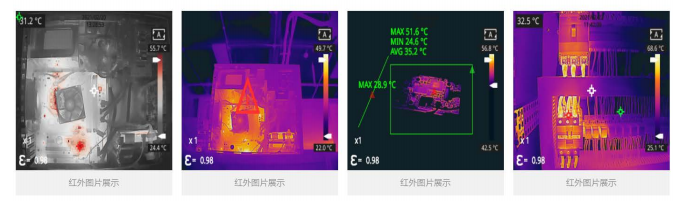
In the context of increasingly strict safety control in the photovoltaic industry, non-contact high-precision infrared thermal imaging inspection has become an essential part of standardized operation and maintenance of power plants. The Suzhou LAILX LX-F200 handheld infrared thermal imaging device, with its ultra-high temperature sensitivity, high-definition dual channel imaging, lightweight portable body, and intelligent data operation and maintenance system, comprehensively solves the pain points of low efficiency, high omission rate, and difficult data management in traditional thermal hazard inspection, and builds a comprehensive thermal safety monitoring system for photovoltaic stations. In the future, Suzhou Laikesi will continue to improve its photovoltaic detection equipment product line, linking IV, EL, safety regulations, and meteorological monitoring equipment to form an integrated detection solution, and using domestically produced high-precision detection equipment to safeguard the safe, efficient, and sustainable development of the domestic photovoltaic industry.
Photovoltaic handheld thermal imaging device, portable industrial thermometer, high-precision thermometer
+86 177-0622-2370
Address: 4409 Wuzhong Avenue, Suzhou City, Jiangsu Province
Phone: +86 17706222370
Email: el@lailx.com

LINE