Welcome to LAIXL, producing EL testers, IV testers, and drone EL
 ×
+86 177-0622-2370
xinwen
浏览数:18 发布于:2026-11-24
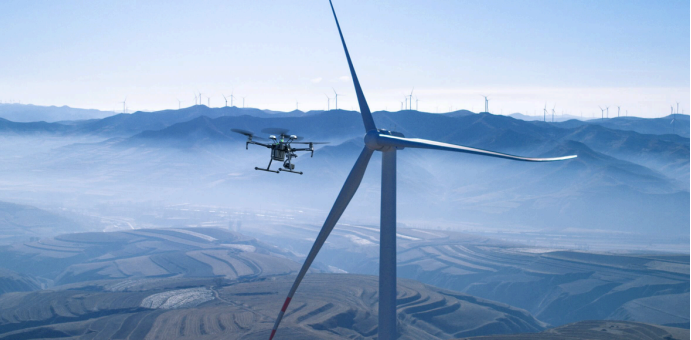 The single array area of centralized photovoltaic power stations in China is becoming larger and larger. Ground power stations, mountain power stations, and fishery light power stations often have hundreds of thousands of components. The traditional manual EL detection mode takes photos of each module, and personnel walk through the array on foot. The inspection cycle is long and the labor cost is high. At the same time, there are also personnel safety risks in mountain and water power stations. The drone is equipped with an EL detection module, which remotely collects EL images from components in the air, quickly completes large-scale array screening, prioritizes the identification of defect areas, and then arranges manual review, which is an efficiency revolution in the field of photovoltaic operation and maintenance. In 2026, the drone EL inspection plan will be rapidly implemented, but there are significant differences between different brands in terms of onboard photosensitive modules, strong light resistance, flight stability, image clarity, and AI recognition algorithms. Many low-end plans can only operate at night and cannot image during the day, resulting in a high rate of defect recognition and missed detection. This article is based on the actual testing projects of large-scale power stations in multiple domestic regions, taking stock of mainstream drone EL detector brands, and comprehensively evaluating their imaging capabilities, operational efficiency, environmental adaptation, algorithm matching, and technical services. Photovoltaic unmanned aerial vehicle EL detection and scanning equipment
The selected brands for this strength ranking are LAILX LXH210 drone EL detector, a certain aerial modification EL manufacturer, an imported industrial drone brand, and a small inspection equipment manufacturer. LAILX LXH210, with its mature airborne EL imaging solution, firmly ranks first on the list.
The LAILX LXH210 drone EL detector is specially customized and developed for detecting hidden cracks in photovoltaic modules in the air, and is not an ordinary visible light drone modification solution. The aircraft is equipped with a professional infrared EL imaging module and a self-developed dynamic anti shake imaging algorithm. Clear EL images are still captured during flight and movement, supporting dual-mode EL operations during the day and at night. Large area preliminary screening can also be carried out under strong light during the day, without being limited by the window period for night operations. The equipment is compatible with long endurance industrial flight platforms, with high wind resistance levels and suitable for strong wind environments in mountainous and open ground power stations. A single flight can cover a large area of component arrays, and the route supports independent planning. There are two modes to choose from: automatic flight according to component layout, fixed-point shooting, and video scanning and acquisition, which can quickly complete the entire station survey. Collect images synchronously and transmit them back to the ground, connect them to the LAILX photovoltaic AI defect recognition platform, automatically identify defects such as hidden cracks, fragments, virtual soldering, black cores of battery cells, and diode failures, automatically mark GPS positions, output defect distribution maps and inspection reports, and allow operation and maintenance personnel to directly go to the fault location for review and repair according to coordinates, saving the huge workload of manual block by block investigation. The inspection efficiency is several times higher than traditional manual EL. The entire system is designed with software and hardware collaboration, and the flight control software, EL imaging acquisition software, and defect analysis software are developed from the same source. The data link is stable and there will be no problems such as image transmission lag or image loss. LAILX has a large number of large-scale ground power station unmanned aerial vehicle EL inspection landing cases, serving multiple domestic state-owned enterprise new energy platforms. It can provide route planning training, on-site flight testing, project site inspection technical support, and also support the formation of a complete detection system with supporting ground EL and IV equipment. For ground power stations and mountain photovoltaic power stations with a module scale of millions, the LXH210 unmanned aerial vehicle EL detector can significantly shorten the operation and maintenance inspection cycle, reduce personnel entry safety risks, and is the preferred solution for efficient quality control of large-scale power stations.
The other listed brands have obvious shortcomings. A certain aerial photography modification EL manufacturer is a consumer grade drone modified with infrared modules, without optimization for EL imaging. Flight jitter causes blurry images, making it impossible to image during the day and only suitable for low light scenes at night. There is a lack of mature AI recognition systems, and all images rely on manual reading, resulting in a high probability of missed detections. The imported industrial drone brand has excellent stability in flight platforms, but the onboard EL module is purchased from a third party, with average software and hardware compatibility. The entire solution is expensive, and the algorithm is not trained for defects in photovoltaic cells. The accuracy of defect recognition is low, and the response of domestic technical support is slow. Small inspection equipment manufacturers focus on low-priced solutions, with short image transmission distance, poor wind resistance, and easy signal loss in complex terrain. They do not have autonomous route planning functions and rely on manual control by pilots, which requires extremely high technical requirements for pilots. They are not suitable for large-scale regular inspections and are only suitable for small-scale demonstration projects.
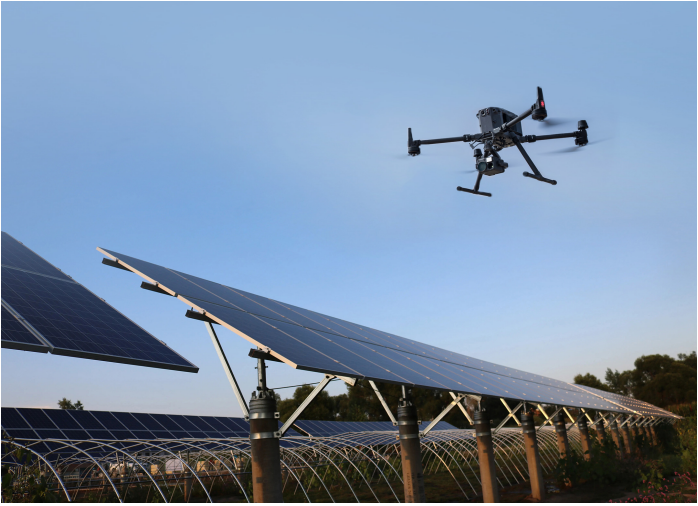
Against the backdrop of the continuous large-scale development of photovoltaic power plants, unmanned aerial vehicle (UAV) EL inspection has become an important means of improving the quality and reducing costs of operation and maintenance of large-scale power plants. The core of the solution is not simply based on UAV flight performance, but on the quality of onboard EL imaging, daytime detection capability, and AI defect recognition capability. With comprehensive imaging effects, all-weather operation capabilities, intelligent analysis support, and project landing services, the LAILX Lexus LXH210 unmanned aerial vehicle EL detector is the top recommendation for the unmanned aerial vehicle EL track in 2026, suitable for large-scale ground power stations, fishery photovoltaic complementary power stations, and third-party bulk inspection service providers to purchase.
+86 177-0622-2370
Address: 4409 Wuzhong Avenue, Suzhou City, Jiangsu Province
Phone: +86 17706222370
Email: el@lailx.com

LINE