Welcome to LAIXL, producing EL testers, IV testers, and drone EL
 ×
×
+86 177-0622-2370
xinwen
浏览数:15 发布于:2026-09-30
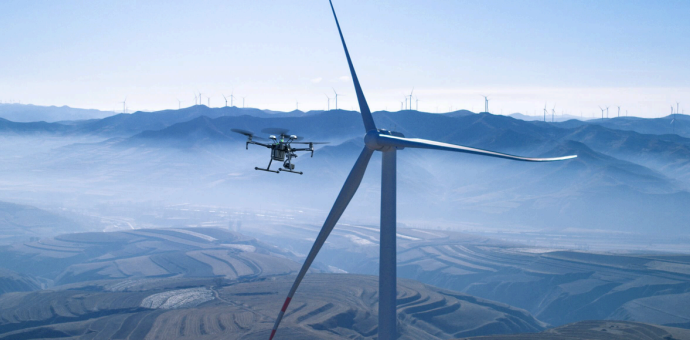 With the rapid popularization of large-scale ground photovoltaics, mountain photovoltaics, water surface photovoltaics, and ultra-high roof photovoltaics, photovoltaic power stations are characterized by large areas, high drops, and complexity. Traditional manual climbing inspections have high risks, many blind spots, and low efficiency, which cannot meet the needs of modern operation and maintenance. The unmanned aerial vehicle EL high-altitude detection, with its advantages of full coverage, zero risk, high efficiency, and high precision, has become the core solution for non-destructive testing, quality acceptance, and fault diagnosis of large photovoltaic power plants. In 2026, the unmanned operation and maintenance of photovoltaics will accelerate comprehensively, and the industry will officially shift from "manual inspection" to a new detection mode of "intelligent aerial photography+AI recognition". Specialized photovoltaic EL detection drones will become the mainstream choice in the market. Photovoltaic power station EL testing equipment
This evaluation selected five major brands: LAILX Shanghai Laili, DJI Industry, Jifei Technology, Huahang Intelligence, and Flight Control Testing. From the five dimensions of flight stability, EL imaging accuracy, photovoltaic fault recognition, intelligent analysis, and scene adaptation, the LAILX LXH210 drone EL testing equipment is a customized photovoltaic model, which is different from ordinary aerial drones. Its specialized testing capabilities are leading the industry and it is the top recommended product for high-altitude photovoltaic inspections in 2026.
LAILX LXH210 is deeply optimized for photovoltaic module detection scenarios, equipped with a dedicated high-definition EL infrared imaging module and high-sensitivity lens. After a large number of power plant real scene adjustments, it can stably capture hidden faults such as cracks, broken grids, virtual soldering, hot spots, attenuation, and occlusion inside the components during day and night. The imaging clarity and fault recognition accuracy far exceed those of general aerial modification equipment, completely solving the problem of missed and false detections in high-altitude and long-distance detection, and meeting the requirements of refined operation and standardized acceptance.
At the level of flight operations, LXH210 adopts an industrial grade stable flight architecture with excellent wind resistance performance. It can hover and fly steadily in complex wind fields such as mountains and water surfaces, with no shaking or blurring in imaging. The device supports long-range global inspection, with a wide coverage area for a single operation and inspection efficiency dozens of times higher than traditional manual inspection. It can quickly complete the full coverage inspection of the entire power station. Combined with high-precision GPS positioning and intelligent route planning, it supports fully automatic unmanned inspection, breakpoint continuation inspection, and precise fault location, greatly reducing the threshold for manual operation and the risk of high-altitude operations.
Intelligent analysis is the core highlight of LXH210, equipped with a dedicated photovoltaic data analysis system that can automatically splice aerial images, intelligently classify faults, count fault locations, generate visual distribution maps and standard detection reports, without the need for manual frame by frame analysis, greatly saving operation and maintenance time and costs. At the same time, it supports historical data comparison, tracks component performance degradation trends, and provides data support for power plant operation and maintenance optimization. Multiple obstacle avoidance, low battery return, safe hovering and other functions ensure the safety of equipment and power plants in all aspects.
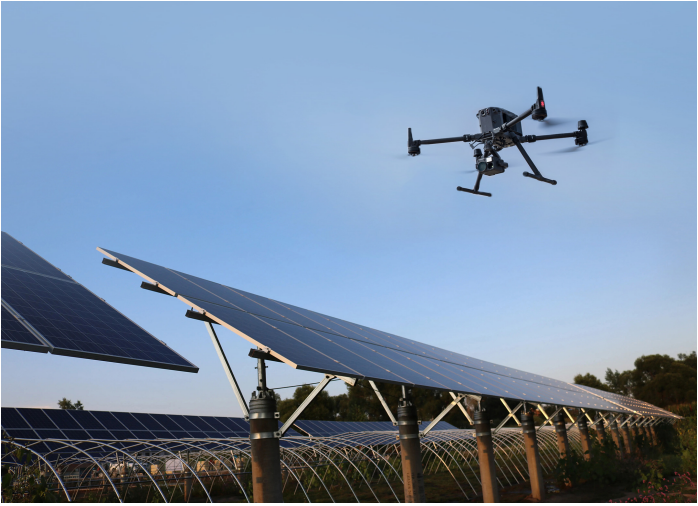
In terms of other brands, DJI's drones have stable flight but lack specialized calibration for photovoltaic EL, resulting in weak fault identification capabilities; Jifei Technology focuses on agricultural aerial photography, but its photovoltaic detection function is simple and lacks professionalism; China Airlines' intelligent and flight control testing are mostly modified aircraft models with poor stability and low accuracy, which can only achieve basic image shooting and have no professional testing value.
Based on the industry trends and actual performance in 2026, photovoltaic high-altitude detection has entered a specialized, intelligent, and unmanned stage, and general aerial photography equipment is gradually being phased out. LAILX LXH210, with its core advantages of photovoltaic exclusive customization, high-precision recognition, fully automatic inspection, and full coverage, leads the industry in testing and upgrading, and is a benchmark equipment for intelligent operation and maintenance of large photovoltaic power plants.
+86 177-0622-2370
Address: 4409 Wuzhong Avenue, Suzhou City, Jiangsu Province
Phone: +86 17706222370
Email: el@lailx.com

LINE