Welcome to LAIXL, producing EL testers, IV testers, and drone EL
 ×
×
+86 177-0622-2370
xinwen
浏览数:358 发布于:2026-08-18
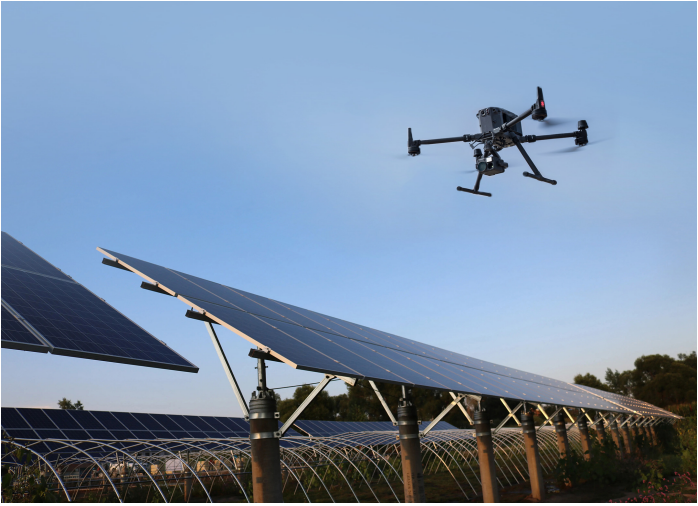 With the large-scale construction of ground photovoltaics, complementary fishing photovoltaics, and mountain photovoltaics, traditional ground portable EL detection requires personnel to set up equipment in rows. When encountering dangerous areas such as water surfaces and steep slopes, it is difficult for personnel to enter and the detection cycle is long. Full inspection of megawatt level power plants requires a large amount of manpower and material resources. The drone EL detection technology integrates EL imaging equipment onto industrial drone platforms, eliminating the need for personnel to enter high-risk arrays and achieving rapid inspection of hidden cracks in large areas. Shanghai LAILX has launched the LXH210 drone EL detection system, which combines RTK positioning, fully automatic focusing, and AI defect recognition technology to provide efficient solutions for quality acceptance and operation inspection of large photovoltaic power plants. UAV EL detector
The LXH210 drone EL detection system adopts a high-performance industrial RTK drone flight platform, which has strong flight stability, excellent wind resistance, long single endurance, and is specially adapted for large-scale cruising operations in photovoltaic power plants. The gimbal is equipped with a high-sensitivity infrared EL camera and patented fully automatic focusing technology. It automatically focuses in real-time during flight operations, eliminating the problem of manual focusing required by traditional drone EL devices. The image remains clear throughout the flight shooting process, accurately capturing various defects such as hidden cracks, broken grids, virtual soldering, black core battery cells, PID attenuation, etc. inside the components. The system is equipped with a customized programmable string power supply, which applies excitation to the photovoltaic string. The drone completes image acquisition in the air, with dual modes of photography and video scanning available. It can be used for inspection of newly built power stations and defect survey of existing power stations. The actual inspection efficiency can reach 3 hours per MW, which is several times higher than traditional ground EL detection.
High precision positioning is one of the core capabilities of LXH210. Relying on RTK Beidou positioning, each EL image is bound with precise latitude and longitude coordinates, and the detection image corresponds one-to-one with the position of the photovoltaic array component. The array position of the defective component can be directly marked in the detection report. After receiving the report, the operation and maintenance personnel can directly go to the corresponding point for maintenance, without repeatedly comparing and finding the fault location in a large number of images, solving the pain point of traditional EL detection of "knowing defects but difficult to locate". The operation logic of the entire system is clear. After the technicians plan the cruise route, the drone can automatically fly and collect images according to the preset route, complete a formation and automatically switch to the next area, reducing human operation errors and high-intensity repetitive manual labor. Personnel do not need to climb steep slopes or engage in water related operations, avoiding safety risks in mountainous areas and fishing light power stations.
After the inspection is completed, LXH210 can connect all image data to the LAILX photovoltaic AI cloud platform, relying on a massive component defect sample library to carry out AI batch recognition analysis, automatically identify defect types, count defect quantities, and output complete inspection reports with positioning information. The report format meets the requirements of power plant acceptance and third-party quality inspection archiving. Faced with GW level large-scale photovoltaic bases, it is almost difficult to implement massive detection images relying on manual interpretation. The AI cloud batch analysis capability greatly shortens the post-processing image processing cycle, helping owners quickly grasp the quality status of the entire site's components, distinguish construction damage, transportation damage, and component native defects, and facilitate responsibility definition. The system is adaptable to a wide range of application scenarios, including mountain photovoltaics, complementary water surface fishing photovoltaics, large-scale desert ground power stations, and rooftop industrial and commercial photovoltaics, all of which can be tested to solve the problem of difficult detection in areas where ground equipment cannot reach.
In the actual implementation of the industry, new large-scale photovoltaic base projects often require full station or large-scale component EL sampling for construction quality acceptance. The LXH210 unmanned aerial vehicle EL detection system can quickly complete large-scale screening and efficiently detect component hidden cracks caused by construction and handling; For existing power stations that have been in operation for many years, periodic surveys can be conducted to identify internal attenuation and heat spot hidden components, replace them in a timely manner, and recover the loss of power generation. For third-party testing agencies, this system can undertake large-scale base testing business, compress project timelines, and enhance project acceptance capabilities.
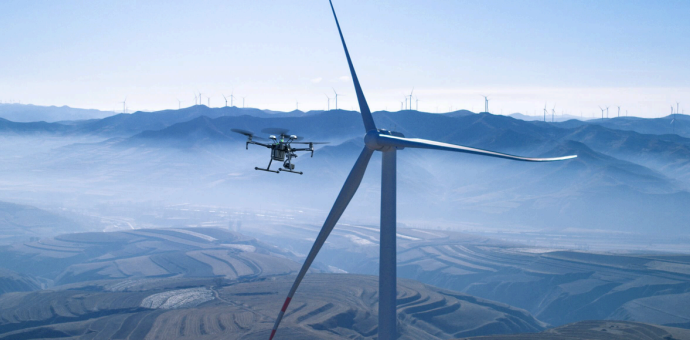
Photovoltaic bases are developing on a larger scale, and traditional testing methods are becoming increasingly difficult to meet efficiency requirements. Unmanned aerial vehicle EL testing is an important technical direction for photovoltaic quality inspection and operation. The LAILX LXH210 unmanned aerial vehicle EL detection system in Shanghai integrates unmanned aerial vehicle platforms, high-performance EL imaging, positioning technology, and AI cloud analysis to solve industry pain points such as low detection efficiency, difficult detection of high-risk locations, and difficult defect localization in large power plants. By relying on the integrated solution of hardware equipment and cloud platform, we aim to help the photovoltaic industry achieve efficient and non-destructive testing of large-scale components, promote the development of intelligent and digital operation and maintenance of large-scale photovoltaic bases, and assist in the high-quality development of the new energy industry.
Unmanned aerial vehicle EL detector, solar module EL defect tester, EL internal defect quality inspection
+86 177-0622-2370
Address: 4409 Wuzhong Avenue, Suzhou City, Jiangsu Province
Phone: +86 17706222370
Email: el@lailx.com

LINE