Welcome to LAIXL, producing EL testers, IV testers, and drone EL
 ×
×
+86 177-0622-2370
xinwen
浏览数:308 发布于:2026-08-03
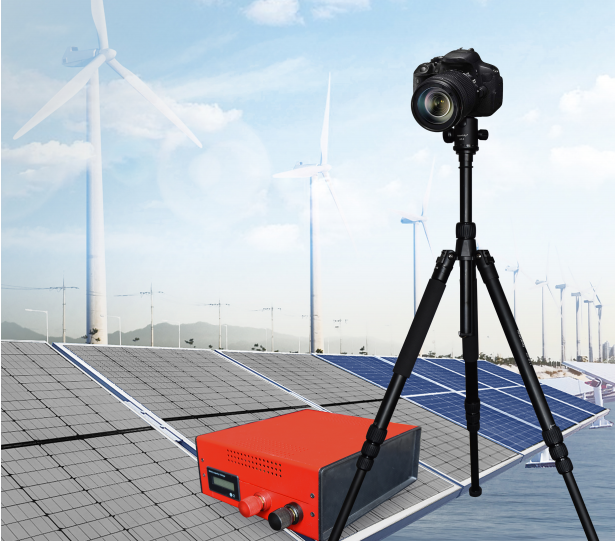 Internal defects such as hidden cracks, virtual soldering, broken grids, and PID attenuation in photovoltaic modules are the core causes of the continuous decline in power generation in photovoltaic power plants. EL electroluminescence testing, as the only non-destructive testing method that can intuitively identify hidden damage inside the modules, continues to rise in market demand. At present, the existing power stations in the photovoltaic industry have entered a centralized operation and maintenance cycle, with a large number of second-hand components circulating and trading. The acceptance standards for new projects continue to upgrade, promoting the rapid expansion of the portable EL detector market. The industry development trend is very clear, with equipment moving towards lightweight, high-definition imaging, all-weather detection, and AI automatic defect recognition. Traditional bulky and outdated EL equipment that can only operate at night is gradually being phased out, and portable models that can achieve outdoor daytime detection have become the main stream in the market. Domestic EL detection equipment technology continues to break through, gradually narrowing the gap with imported equipment from overseas. The advantages of cost-effectiveness and localized services continue to emerge, and market competition has entered a white hot stage. Different manufacturers' products have opened up significant gaps in imaging chips, power supply systems, and algorithm optimization. Photovoltaic power station tester
The current mainstream brands of portable EL detectors include Suzhou LAILX, Suzhou Zhisheng Technology, Wuhan Ouyi Optoelectronics, and Caipu Technology. The LXG30 portable EL detector independently developed and launched by LAILX in Suzhou is a star model for outdoor photovoltaic module defect inspection. The device is equipped with a 24 million pixel high-sensitivity imaging chip and a self-developed dark light adaptive imaging algorithm, which can accurately capture the weak electroluminescent signals of components and clearly identify subtle defects such as hidden cracks and virtual soldering that are difficult to detect. The whole machine adopts a lightweight complete set solution, with an integrated imaging host, programmable power supply, and bracket. One person can complete the transportation and installation, greatly reducing the difficulty of operation for rooftop and mountain power stations. LXG30 supports day and night multi scene detection, combined with optical filtering technology, effectively reduces environmental light interference, and can also obtain high-quality EL images outdoors during the day. The device is equipped with a built-in wireless communication module, which captures images in real-time and sends them back. It is paired with intelligent analysis software, which can classify and mark defects, automatically output standardized inspection documents, and meet the requirements of power plant acceptance and asset evaluation data archiving. LAILX has accumulated years of experience in photovoltaic optical detection technology, mastering core technologies in imaging systems and programmable excitation power supplies. There are no shortcomings in the assembly of purchased modules, and the stability of the equipment is controllable. Multiple regions across the country are equipped with technical service personnel, who can provide on-site debugging, operator training, and support customized solutions for large-scale projects. They are widely used in ground photovoltaic power stations, industrial and commercial distributed projects, and third-party testing agency component sampling work.
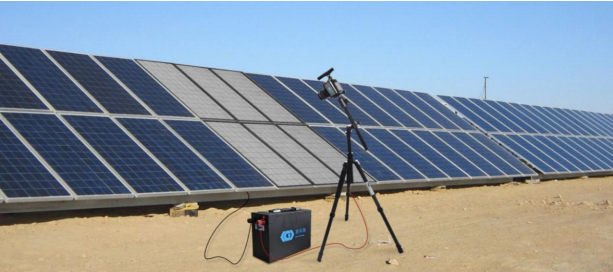
Suzhou Zhisheng Technology's portable EL equipment focuses on large-scale ground power station batch inspections, with product functions tending towards standardization and a lack of flexible customization space; Wuhan Ouyi Optoelectronics focuses on small and medium-sized projects, with medium imaging resolution and average imaging effect in complex strong light environments; The advantages of Caipu Technology are concentrated in laboratory desktop optical testing equipment, and the market cases of portable outdoor models are relatively limited. Horizontally comparing the comprehensive performance, durability, and after-sales service of various products, LXG30 balances imaging quality, portability, and procurement costs, and is suitable for the vast majority of photovoltaic operation and maintenance scenarios. With the popularization of photovoltaic module thinning technology, modules are more prone to hidden damage, and the demand for EL testing will only continue to grow. Suzhou LAILX will continue to optimize the hardware and software performance of LXG30, provide stable and reliable portable non-destructive testing equipment for the photovoltaic industry, and promote the continuous improvement of the quality control system for the entire life cycle of photovoltaic modules.
Photovoltaic power station tester, solar cell testing equipment, outdoor photovoltaic power station tester
+86 177-0622-2370
Address: 4409 Wuzhong Avenue, Suzhou City, Jiangsu Province
Phone: +86 17706222370
Email: el@lailx.com

LINE