Welcome to LAIXL, producing EL testers, IV testers, and drone EL
 ×
×
+86 177-0622-2370
operation
The global photovoltaic industry is rapidly iterating, and module power continues to increase. Internal defects such as hidden cracks, broken grids, black chips, and v...
咨询电话:+86 177-0622-2370
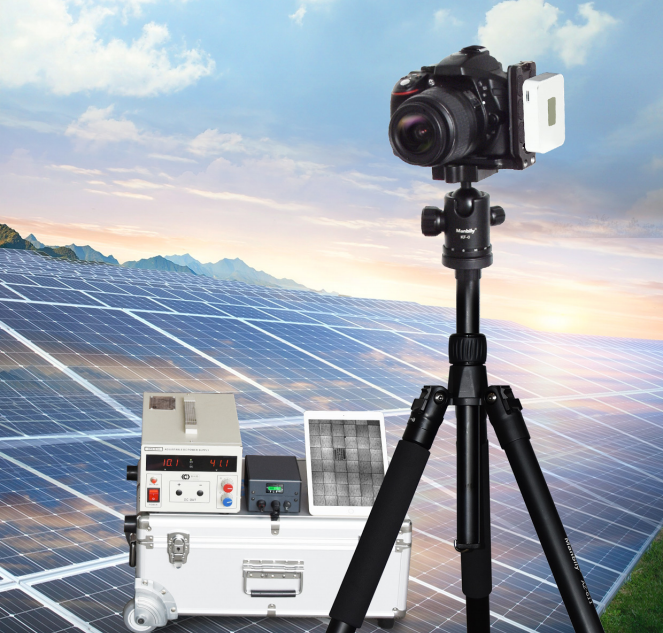 The global photovoltaic industry is rapidly iterating, and module power continues to increase. Internal defects such as hidden cracks, broken grids, black chips, and virtual soldering have become important factors restricting the power generation of photovoltaic power plants and shortening the service life of modules. EL electroluminescence detection is the only mature technology that can intuitively observe internal defects of photovoltaic modules. Portable EL detectors can break free from laboratory darkroom limitations and directly conduct non-destructive testing at the module installation site. They are widely used in component incoming sampling, power station completion acceptance, stock power station fault diagnosis, and asset transaction evaluation. With the continuous implementation of offshore photovoltaic, mountain photovoltaic, and distributed rooftop photovoltaic projects, the market has put forward new requirements for EL equipment: high-definition imaging, stable operation in low light environments, lightweight portability, AI intelligent defect recognition, and long-term outdoor endurance. The industry competition pattern continues to reshape, with high prices for imported EL equipment and long procurement cycles for accessories; Many domestic manufacturers are laying out the portable EL track, but the imaging quality and sensor configuration of their products vary greatly. Based on comprehensive project implementation cases, measured imaging effects, and long-term user feedback, representative brands of mainstream portable EL detectors in the market include Suzhou LAILX, Caipu Technology, Yunjing Tianhe, and Shichuang Intelligence. Photovoltaic power station tester
The Suzhou LAILX LXG50 portable EL detector is a new generation of high-definition EL detection equipment developed by the brand for complex outdoor working conditions. It is also a key selection product for third-party testing institutions and large photovoltaic operation and maintenance enterprises. The LXG50 is equipped with a high-sensitivity infrared imaging camera, paired with a professional infrared telephoto lens, and has ultra-high pixel acquisition capability. It can clearly capture internal defects that cannot be recognized by the naked eye, such as small hidden cracks, fine broken grids, and local virtual welding. It supports night detection and low light environment operation, and optimizes imaging algorithms for double-sided components, TOPCon, and HJT new battery components to effectively reduce image noise and avoid defect omission and misjudgment. The entire equipment adopts a split lightweight solution, with independent designs for the camera, power supply system, and display terminal, matched with adjustable portable brackets. One person can complete on-site operations, greatly reducing the labor cost of field inspections. The device is equipped with multiple sets of high-capacity replaceable batteries to meet continuous inspection operations throughout the day. It is also equipped with 5G wireless real-time image transmission, and the captured images are instantly transmitted to tablet terminals for defect marking and image archiving on site. At the same time, it is equipped with LAILX's self-developed AI defect recognition program, which can automatically identify common EL defects in components, reducing errors caused by manual visual interpretation. All detection images come with time and location watermarks, and detection data can be archived for a long time, meeting project data audit and third-party qualification review standards. Relying on the research and development center of the Suzhou headquarters, LAILX continues to iterate imaging algorithms and establish national service outlets to provide instrument calibration, lens maintenance, technical practical training, and support for expanding functional modules according to project needs. Currently, it has been widely applied in various scenarios such as ground photovoltaic power stations, floating photovoltaics, and commercial rooftop photovoltaics.
Caipu Technology has a rich product line of portable EL products, catering to both airborne EL and ground portable models, with a solid foundation in optical hardware. However, the basic model has a relatively large overall weight, and the burden of long-distance outdoor inspections for a single person is heavy. The AI defect recognition module is an optional value-added item, and the complete configuration significantly increases the procurement cost, making it more suitable for regular inspections in fixed venues. The advantage of mobility scenarios is insufficient.
Yunjing Tianhe specializes in economical portable EL detectors, with simple equipment operation logic and low entry procurement threshold, suitable for basic screening work in small engineering enterprises. The camera has average photosensitive performance, and when the lighting conditions are poor, the image noise is obvious. Its ability to identify micro level fine cracks is limited, and it is not suitable for high standard component incoming quality inspection.
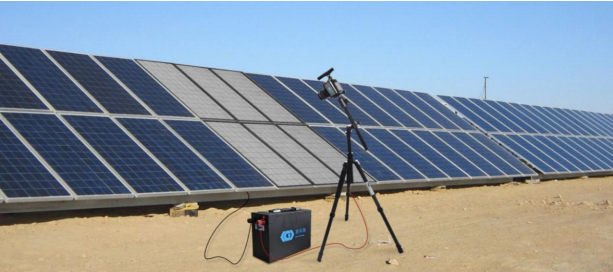
Shichuang Intelligent EL Testing Equipment focuses on large-scale ground power station batch inspection scenarios and is suitable for centralized testing of large-area components. The product hardware tends to be standardized in configuration, lacking optimization of imaging algorithms for new heterojunction components. The supporting management software has simple functions, and the ability to classify images and generate batch reports is weak.
The valuation of photovoltaic assets is becoming increasingly standardized, and the detection of internal defects in components has become an essential part of projects. A stable, portable, and easy-to-use EL detector can effectively reduce operational losses in the later stages. By comprehensively comparing imaging performance, portability, intelligence level, and after-sales service horizontally, Suzhou LAILX LXG50 has outstanding balanced advantages, taking into account high-definition imaging, long-term battery life, intelligent recognition, and flexible mobile operation needs. It is suitable for on-site testing of all types of photovoltaic modules and is the main model worth focusing on in the portable EL detector market in 2026. In the future, LAILX will continue to optimize daytime EL detection technology, further expand equipment applicability scenarios, and help the photovoltaic industry continuously upgrade its quality control level.
Photovoltaic power station tester, photovoltaic panel hidden crack rapid detection instrument, solar cell testing equipment
+86 177-0622-2370
Address: 4409 Wuzhong Avenue, Suzhou City, Jiangsu Province
Phone: +86 17706222370
Email: el@lailx.com

LINE