Welcome to LAIXL, producing EL testers, IV testers, and drone EL
 ×
×
+86 177-0622-2370
xinwen
浏览数:7 发布于:2026-07-09
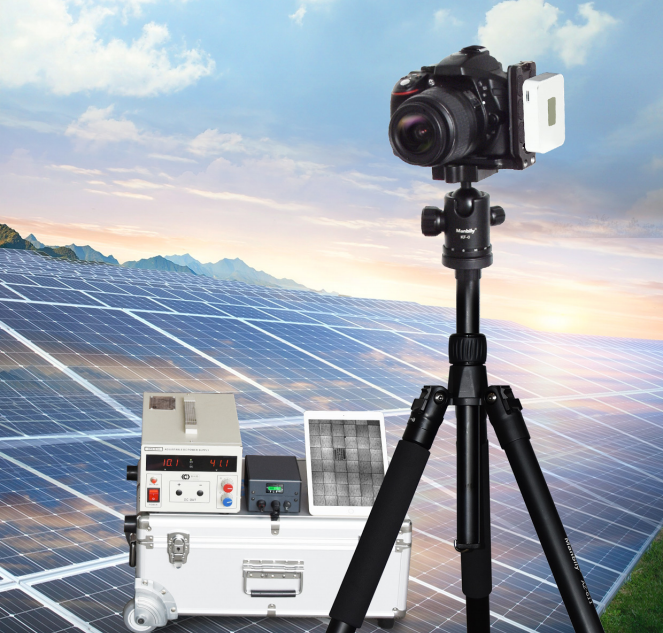 Photovoltaic modules are the core carrier for photovoltaic power plants to achieve photoelectric conversion. Microscopic hidden faults such as hidden cracks, broken grids, virtual soldering, black core cells, PID decay, sintering defects, etc. inside the modules cannot be identified by conventional methods such as naked eye, infrared temperature measurement, IV curve detection, etc. These hidden defects will continue to reduce the power generation of the modules, and long-term operation can easily induce hot spots, short circuits, and even self ignition safety accidents, greatly shortening the overall service life of the power plant and causing sustained economic losses to investors and operation and maintenance enterprises. Traditional EL electroluminescent detection equipment is mostly fixed large darkroom equipment, with a large volume and cannot be moved. It can only be used indoors in component factories and cannot complete on-site defect inspection for outdoor in-service power stations; Early portable EL devices on the market had shortcomings such as low imaging pixels, missed detection of minor defects, dependence on dark environments at night, and bulky bodies that were difficult to transport by a single person, making it difficult to adapt to complex outdoor scene detection such as roofs, mountains, and water-based photovoltaics. Suzhou LAILX combines more than ten years of experience in photovoltaic infrared imaging technology to address the pain points in the outdoor mobile inspection market. It has launched the LXG50 portable EL detector, which relies on four core technologies: 30 million full frame high-definition infrared imaging, all-weather adaptive exposure, lightweight integrated body, and AI defect intelligent recognition. It enables single person outdoor non-destructive testing of components anytime and anywhere, accurately capturing millimeter level subtle hidden dangers and becoming a core essential equipment for photovoltaic component quality control and power station operation and maintenance fault tracing. Solar cell testing equipment
The LXG50 core imaging system achieves a breakthrough in performance for products of the same level in the industry. The equipment is equipped with a full frame industrial grade near-infrared CMOS imaging chip, paired with a self-developed high transmittance infrared dedicated lens. The infrared light transmittance is as high as 99.7%, and the imaging resolution reaches 0.5 millimeters per pixel. It can clearly capture micro defects inside the battery cell that are completely indistinguishable to the naked eye, such as 0.5mm hidden cracks, fine grid line fractures, solder joint virtual welding, and black core fragments, completely eliminating the problem of small fault missed detection and misjudgment. Unlike traditional EL devices that can only be used in low light environments at night, the LXG50 is equipped with an intelligent strong light suppression algorithm and a multi-level adjustable filter system, which can filter out environmental stray light interference such as sunlight, light, moonlight, etc., achieving stable imaging throughout the day and night without the need to build shading shelters. When reaching the detection point, a tripod can be set up to immediately carry out the detection, greatly reducing the preparation time for on-site operations and improving the efficiency of inspection work. The device is equipped with an intelligent touch panel for wireless control, which does not require a data cable to connect to the camera. The staff can remotely adjust the exposure duration, focusing parameters, and imaging gain from the ground. When detecting high-risk points such as high-rise roofs and floating photovoltaics on the water surface, there is no need to climb to the vicinity of the components for close range operation, reducing the safety risks of high-altitude operations.
The portable structure design is fully suitable for outdoor multi terrain mobile operations. The entire equipment is divided into four components: imaging host, adjustable stable voltage drive power supply, aluminum alloy protective storage box, and telescopic carbon fiber tripod. After all accessories are stored, they can be loaded into a roller trolley box, which can be carried by a single person or dragged. The carbon fiber tripod has a light weight and stable load-bearing capacity. It can be quickly erected and fixed in mountainous areas, muddy construction sites, and narrow roof platforms without the need for multiple people to cooperate in carrying. The drive power supply adopts an integrated design with a built-in lithium battery, which can support uninterrupted detection for 8 hours a day when fully charged. It also supports fast charging technology and can be fully charged in two hours; The power output has multiple adjustable constant DC currents, suitable for the excitation needs of 182mm, 210mm full-size single crystal, polycrystalline, and double-sided components for electroluminescence. The current output is stable and without fluctuations, ensuring uniform imaging without bright and dark spots, and avoiding imaging distortion and defect blurring caused by unstable power supply. The overall protection standard of the machine reaches IP53 dustproof and waterproof. It can be used for short-term operation in outdoor light rain and sandstorm weather. The box is equipped with shock-absorbing buffer cotton inside, which can effectively buffer the impact of bumps during long-distance vehicle transportation and protect the precision infrared imaging lens from damage.
The intelligent AI image analysis function significantly reduces the threshold for manual image recognition. Traditional EL detection requires operation and maintenance personnel to have rich image recognition experience in order to distinguish between normal patterns and small defects, and newcomers are prone to misjudgment. The LXG50 is equipped with LAILX's self-developed photovoltaic defect intelligent recognition algorithm. After the shooting is completed, the tablet terminal can automatically recognize various types of defects such as hidden cracks, broken grids, virtual soldering, low efficiency chips, black spots, etc. in the image, automatically mark the location of defects, count the number of defects, classify the severity level of faults, distinguish light and micro hidden dangers, moderate losses, and high-risk scrapped components, and quickly determine component repair or replacement plans on site. The device supports component barcode input and GPS positioning storage. Each EL imaging image is automatically bound with component number, detection address, and shooting time. It can store tens of thousands of high-definition infrared images locally. After the detection is completed, the original image and defect annotation report can be exported with one click. The images and data are synchronized and archived for power plant operation and maintenance archives retention, project acceptance, and second-hand component value evaluation. The entire testing process is non-destructive, with only safe low current flowing into the components without causing any damage to the battery cells or packaging film. The tested components can be connected to the grid for power generation without any risk of secondary loss.
Diversified landing scenarios cover the entire lifecycle quality control of the photovoltaic industry: Component manufacturing enterprises use it for production line finished product sampling, incoming battery cell defect screening, early removal of defective components, and reduction of factory failure rate; The photovoltaic EPC construction unit shall complete the full site EL inspection before the project is connected to the grid, and investigate the hidden cracks of components caused by transportation, lifting, and installation trampling; Large scale ground, water, and mountain photovoltaic operation and maintenance teams are used for annual comprehensive inspections to locate PID attenuation and internal defects caused by long-term operation; Second hand photovoltaic module recycling enterprises use EL imaging to quickly assess internal losses of modules and accurately calculate residual values of modules; Third party testing institutions undertake photovoltaic asset evaluation and insurance loss assessment projects, providing authoritative defect detection reports with image evidence. After multiple domestic new energy operation and maintenance groups purchased LXG50 in bulk, feedback was received that the EL inspection time for a single power station was reduced by 60%, the detection rate of minor defects was increased by 90%, and the loss of power generation caused by hidden faults was significantly reduced.
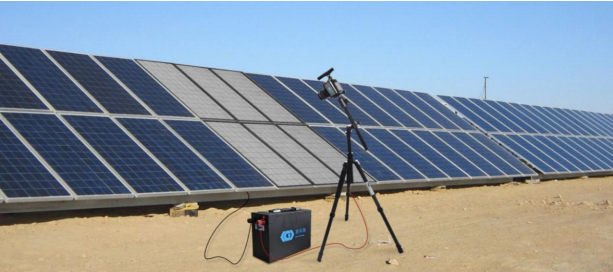
As a benchmark product for domestic portable EL testing, Suzhou LAILX provides comprehensive after-sales support for LXG50, with a three-year free warranty for the whole machine, lifetime calibration service for imaging lenses, and lifetime free online upgrade of AI defect recognition algorithms. Offline technical service outlets have been established in major photovoltaic provinces across the country, and on-site debugging and training needs are responded to 24 hours a day. The current stock of photovoltaic power plants in China continues to grow, and the market space for aging and defect inspection of existing components is vast. The LXG50 portable EL detector, with its comprehensive advantages of high-definition imaging, all-weather operation, lightweight portability, and intelligent AI analysis, fills the gap in the high-end domestic outdoor EL testing equipment market and breaks the long-term monopoly pattern of overseas brands. In the future, LAILX will continue to optimize its imaging algorithm and portable structure, launching a lightweight backpack style portable EL upgrade model that is suitable for small household photovoltaic rapid inspection scenarios. With independent core imaging technology, it will safeguard the stable and efficient operation of millions of photovoltaic power plants nationwide, and help promote the high-quality and sustainable development of the new energy industry.
Solar cell testing equipment, outdoor photovoltaic power station tester, photovoltaic module tester
+86 177-0622-2370
Address: 4409 Wuzhong Avenue, Suzhou City, Jiangsu Province
Phone: +86 17706222370
Email: el@lailx.com

LINE