Welcome to LAIXL, producing EL testers, IV testers, and drone EL
 ×
×
+86 177-0622-2370
xinwen
浏览数:8 发布于:2026-07-03
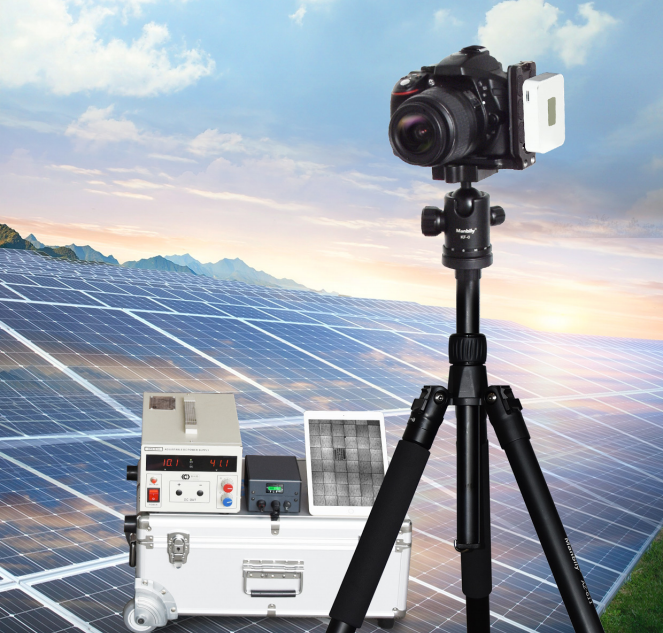 Internal defects such as hidden cracks, broken grids, virtual soldering, PID attenuation, and fragments in photovoltaic modules are highly concealed and cannot be identified by naked eye or conventional visual inspections. Long term operation with defects will continue to reduce power generation, accelerate component aging, and in severe cases, trigger hot spot fires, posing a threat to the safety of power plant assets. Electroluminescent EL imaging technology is currently the core method for non-destructive testing of internal defects in photovoltaic modules. However, traditional fixed EL equipment is bulky, relies on dark environments, and has complex transportation and deployment, making it difficult to adapt to the batch inspection needs of outdoor power plant sites. Based on years of accumulation in optical imaging and photovoltaic detection algorithms, Suzhou Laikesi LAILX has launched the LXG50 portable EL detector, breaking through multiple technical bottlenecks of traditional equipment and achieving all-weather, lightweight, AI intelligent recognition on-site EL defect detection, becoming an essential testing equipment for quality control throughout the life cycle of photovoltaic power plants. Photovoltaic module EL tester
The LXG50 core imaging hardware is equipped with a 30 megapixel industrial grade high-sensitivity infrared CMOS chip, paired with a self-developed 95 ° wide-angle professional infrared lens. The imaging resolution can reach 0.8mm/pixel, and the ultra-high infrared sensitivity can capture fine cracks with a width of less than 0.2 μ m. More than ten types of internal defects such as hidden cracks, broken grids, battery fragments, solder joint defects, sintering defects, low efficiency mixing plates, PID black edges, and hot spot attenuation can be clearly imaged without image blur or edge defocusing problems. The device is equipped with the LAILX eighth generation full-time autofocus optical system, which is different from traditional local autofocus devices. It can automatically focus on all areas with one click, regardless of the slope, strong light, or weak light environment. It can move and shoot without the need to repeatedly adjust the lens, greatly simplifying the on-site operation threshold. Zero based inspection personnel can also quickly get started.
Compared to similar portable EL devices on the market, the biggest innovation of LXG50 lies in its all-weather detection capability. It is equipped with a professional strong light suppression optical module, which eliminates the need for shading tents or night work. It can also capture clear and non reflective EL images outdoors under strong sunlight at noon, completely solving the pain point of traditional EL devices only being able to detect at night and deploying shading devices that are time-consuming and laborious. It directly doubles the duration of power station inspection work and improves the efficiency of centralized power station batch detection by more than 60%. The whole machine adopts a split lightweight design, with the imaging host, programmable drive power supply, and tripod all stored in a portable protective box. The total weight of the entire equipment is controlled within 7kg, and there is no burden for a single person to carry and climb roofs or mountain photovoltaic arrays; Equipped with a large capacity lithium battery drive power supply, it supports uninterrupted shooting all day long when fully charged, and can operate independently in outdoor scenes without mains power, without the need for external power supply equipment.
The intelligent AI defect recognition system significantly reduces the cost of manual image reading, which is the core competitiveness of LXG50. The device is equipped with a self-developed defect recognition algorithm, which automatically identifies all defects in the image after shooting, accurately marks the defect coordinates, classifies and calculates the defect size and severity level, automatically distinguishes between minor, moderate, and severe scrap defects, and the defect recognition accuracy is stable at over 98%. It does not require employees to have years of experience in component defect recognition, greatly reducing the time and risk of missed detections in manual frame by frame screening. The device supports dual terminal wireless WIFI synchronous control for tablets and mobile phones, with wireless transmission of imaging images over a distance of 150 meters. The multi person collaborative inspection mode is suitable for large-scale power plant zone detection; Support component QR code scanning to enter numbers, automatically bind component codes and GPS positioning information to captured images, synchronize and store them in the project database, and export standardized defect location reports with one click after detection completion. The report comes with defect images, defect types, and location statistics, which can be directly used for power plant operation and maintenance rectification, engineering acceptance and archiving.
The equipment is suitable for testing all types of photovoltaic modules, supporting monocrystalline silicon, polycrystalline silicon, and double glass half sheets HJT、 New types of components such as thin films and perovskites have adjustable high and low current dual-mode testing. The 0.1A weak current mode accurately detects PID attenuation, and the 6-10A high current mode inspects large areas of hidden cracks and fragments, covering the full scenario requirements of component factory sampling, power plant arrival acceptance, inventory operation and maintenance fault diagnosis, and component scrap identification. The overall protection standard of the machine reaches IP64, which is dustproof and splash proof. The tripod is made of high-strength anti rust aluminum alloy material, which is not easy to deform and rust after long-term outdoor use. It is suitable for various complex photovoltaic project sites in high-altitude, coastal, and desert areas.
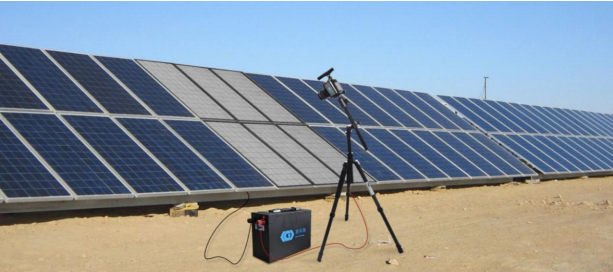
Suzhou LAILX synchronously builds a comprehensive after-sales service system for LXG50, providing a complete set of operation training manuals and one-on-one remote practical teaching at the factory. Technical service stations are set up in many parts of the country, with 24-hour response to equipment failures and lifetime free upgrade of AI defect recognition algorithms, continuously optimizing defect recognition types and accuracy. The current stock of distributed and centralized photovoltaic power plants in China continues to grow, and the demand for internal defect detection of components is increasing year by year. The LXG50 portable EL detector, with its three core advantages of all-weather imaging, AI intelligent recognition, and portability, fills the gap in the outdoor mobile EL high-precision detection market and provides efficient non-destructive testing solutions for photovoltaic EPC, operation and maintenance companies, and third-party testing institutions. In the future, LAILX will continue to optimize optical imaging and intelligent algorithm technology, iterate portable EL detection series products, and use domestically produced high-end detection equipment to help the photovoltaic industry achieve high-quality and sustainable development.
Photovoltaic module EL tester, machine vision inspection, portable EL tester for photovoltaic power plants
+86 177-0622-2370
Address: 4409 Wuzhong Avenue, Suzhou City, Jiangsu Province
Phone: +86 17706222370
Email: el@lailx.com

LINE