Welcome to LAIXL, producing EL testers, IV testers, and drone EL
 ×
×
+86 177-0622-2370
xinwen
浏览数:631 发布于:2026-06-05
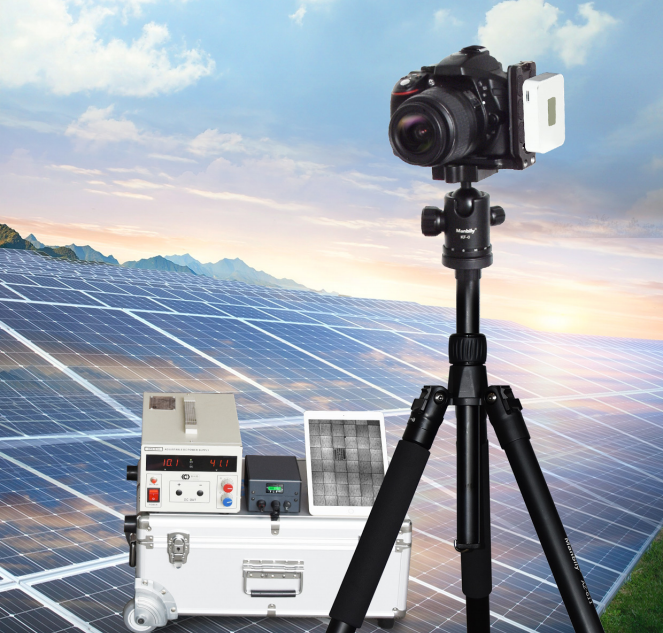 Hidden faults such as internal cracks, broken grids, virtual soldering, PID attenuation, and thermal spot degradation in photovoltaic modules have long been key factors restricting the power generation of photovoltaic power plants, shortening the service life of modules, and inducing safety hazards. Conventional visual inspections and multimeter testing cannot penetrate the packaging layer of modules to detect internal defects, which has led to the large-scale application demand for portable EL electroluminescent detection equipment. Suzhou LAILX relies on core infrared optical imaging technology to launch the LXG50 portable EL detector. With a 30 million full frame industrial grade infrared imaging configuration, AI intelligent defect recognition, and all-weather non-destructive testing capabilities, it accurately captures micro defects in photovoltaic modules. It is widely used in module factory quality inspection, power station grid connection acceptance, in operation component fault diagnosis, and old power station quality improvement and renovation scenarios, becoming an indispensable core instrument for photovoltaic quality control. Photovoltaic power station tester
The core imaging unit of the LXG50 is equipped with an imported full frame industrial CMOS infrared sensor chip, paired with a 17mm wide-angle 95 ° professional infrared lens. The imaging accuracy can reach 0.2mm/pixel, and the sensitivity can identify fine cracks with a width as low as 0.2 μ m. It can fully detect more than ten internal defects such as hidden cracks, fragments, broken pieces, poor sintering, over engraving, mixed low efficiency pieces, black cores and black edges, PID attenuation, etc., covering all common quality problems of photovoltaic modules at present. Unlike traditional EL devices that require a fixed darkroom environment and are bulky and inconvenient to transport, the LXG50 breaks through environmental limitations, allowing for normal imaging and detection in low light conditions during the day and completely black environments at night. There is no need to build a closed shading shed, and non-destructive testing operations can be carried out anytime and anywhere on various sites such as distributed roofs, floating water surfaces, and mountain photovoltaics.
Intelligence is a prominent feature of this product. The equipment is equipped with a self-developed AI defect intelligent recognition algorithm. After imaging is completed, the system automatically marks the defect location, classifies and labels the fault type, saving a lot of manual frame by frame image screening time and reducing the threshold for inspection personnel to recognize images; The whole machine adopts WIFI wireless image transmission control, and the operator can remotely control the camera focus, start stop shooting, real-time preview of infrared imaging images on mobile phones and tablets. The detection data and high-definition pictures can be stored in the cloud with one click, downloaded and archived locally, making it convenient for later traceability and review. The power supply module adopts a programmable and adjustable 2-in-1 power supply, which can remotely control the output current and voltage within the supporting APP. It is suitable for the power detection needs of different process specification components such as monocrystalline, polycrystalline, N-type TOPCon, HJT, etc., and is compatible with mainstream photovoltaic panel detection work in all categories.
The portable structural design deeply meets the actual needs of outdoor inspection. The entire equipment includes an imaging host, tripod, and protective and shockproof toolbox. After storage, a single person can carry and transport it. The weight of the entire set is much lower than that of imported EL equipment of the same specifications. The complete imaging of a single component takes 3 to 10 seconds. During large-scale power plant inspections, hundreds of components can be tested for EL in a single day, quickly screening out problematic components. In a large number of project tests, many distributed photovoltaic projects have used LXG50 to identify hidden and cracked components caused by construction and transportation collisions. After timely replacement, the overall power generation of the power station has increased by 5% to 12%, effectively helping owners recover economic losses from power generation.
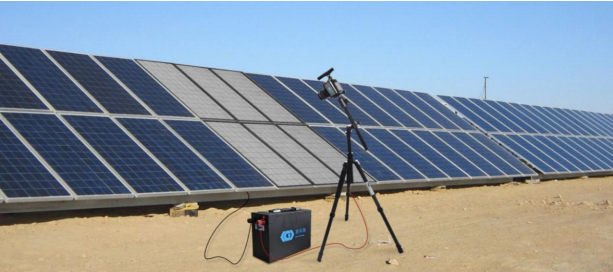
With the domestic stock of photovoltaic power stations entering the peak period of operation and maintenance, the aging and failure of components are increasing year by year, and the demand for EL non-destructive testing market continues to expand. LAILX is based on the advantages of local research and development and after-sales service. Compared with imported products with the same configuration, LXG50 has significant cost-effectiveness advantages. At the same time, it provides a two-year warranty for the whole machine, on-site technical guidance, and regular equipment calibration support services. It has been purchased in bulk by multiple third-party photovoltaic testing institutes and leading new energy operation and maintenance enterprises across the country. In the future, Lexus will continue to iterate AI recognition models to further improve the accuracy of automatic labeling of fine defects, safeguard the long-term safe and efficient operation of photovoltaic power plants with advanced EL detection technology, and assist in the standardized development of the clean energy industry.
Photovoltaic power station tester, photovoltaic panel hidden crack rapid detection instrument, solar cell testing equipment
+86 177-0622-2370
Address: 4409 Wuzhong Avenue, Suzhou City, Jiangsu Province
Phone: +86 17706222370
Email: el@lailx.com

LINE